

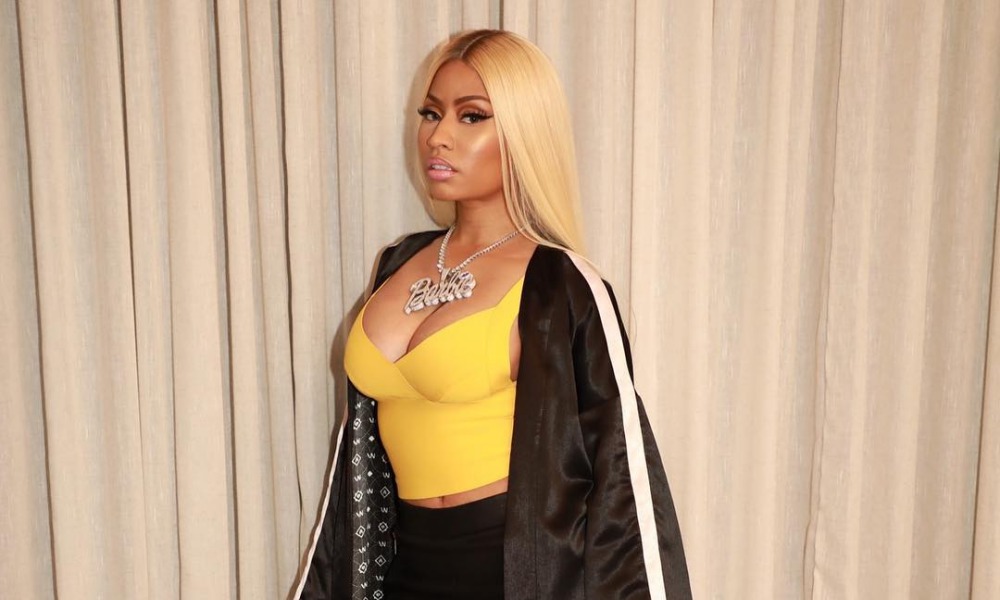
Hip-hop has undeniably cemented itself as the dominant musical genre in the United States. Recent data confirms that hip-hop has overtaken rock as the most popular music genre, with its momentum showing no signs of slowing down. While many hip-hop artists excel in marketing themselves, often leveraging social media platforms more effectively than their peers in other genres, there remain untapped marketing opportunities that could further elevate hip-hop’s cultural and commercial reach. These opportunities have already been successfully leveraged by artists from a wide array of genres, and hip-hop musicians, both established and emerging, stand to benefit enormously from exploring them.
In this comprehensive analysis, we explore three strategic marketing avenues hip-hop artists should prioritize: Album Creation Films, Branded Internet Games, and Reality Show Judging Roles. Each section includes actionable insights, successful case studies, and guidance for artists aiming to diversify their brand presence in 2024 and beyond.
1. Album Creation Films: Elevating Artist Narratives Through Cinematic Storytelling
The Power of Music-Centric Films
There is a rising trend within indie and mainstream film known as the "album creation film," a micro-genre that vividly portrays the artistic process of making music. Unlike traditional “making-of” documentaries, these films dramatize the creative journey, blending narrative storytelling with musical performances. This trend gained early momentum with director John Carney’s critically acclaimed films: Once (2007), Begin Again (2013), and Sing Street (2016). These films focus on singer-songwriters navigating inspiration, collaboration, and the trials of album production, resulting in deeply relatable content that resonates with music lovers.
Why Hip-Hop Should Embrace This Format
Hip-hop artists currently lack a definitive, widely recognized album creation film akin to these indie successes. While films like Hustle & Flow made significant cultural impact by depicting a rapper’s grind and breakthrough, they remain relatively isolated examples rather than the beginning of a broader trend. Similarly, 8 Mile offered a dramatic portrayal of rap culture but did not focus explicitly on album creation or the creative process.
For hip-hop artists and filmmakers, partnering on authentic, compelling fictionalized or semi-documentary films centered around the creative album journey holds vast potential. These projects can humanize artists, showcase their artistry beyond music videos and live performances, and connect with fans on a deeper emotional level.
Actionable Steps for Artists and Filmmakers:
- Collaborate with emerging filmmakers who specialize in music storytelling to develop scripts that focus on your creative process.
- Use these films as digital content assets on streaming platforms, social media, and targeted brand campaigns to extend audience reach.
- Incorporate behind-the-scenes footage, lyrical explanations, and insights into production challenges to add authenticity.
- Explore partnerships with streaming services or indie film festivals to gain distribution and publicity.
Hip-hop artists who pioneer this genre in 2024 will establish fresh cultural touchpoints and differentiate themselves within an increasingly crowded marketplace.
2. Internet-Branded Games: Engaging Fans Through Interactive Digital Experiences
Exploring the Gaming-Music Connection
Musicians across genres have experimented with video game integrations for years, but a new subset of the gaming industry is thriving and underutilized by hip-hop artists: branded arcade-style casino slot games. These games blend musical performances and iconography from legendary rock and metal bands, such as Guns N’ Roses, into interactive slot machines that gamify the listening experience.
These branded games engage millions of players through online casinos and mobile apps, exposing both music fans and gamers to new content and enhancing artist visibility. The games are immersive, using hits from the artists’ catalogs alongside on-screen animations and music-driven gameplay mechanics. For instance, the Guns N’ Roses slots feature guitar solos, song hooks, and visual nods to the band’s history, creating a synergistic entertainment product.
Why Hip-Hop Artists Should Enter This Space
Hip-hop, with its rich visual culture and energetic beats, is ideally positioned to dominate this genre of branded gaming. Unlike traditional collaborations where artists may simply license music for background use in games, constructing a bespoke slot game allows for:
- Cross-promotion: Gamers discover new music while fans enjoy an interactive experience tied to the artist’s brand.
- Monetization: Revenue sharing models exist between artists and game developers for branded content and in-app purchases.
- Fan engagement: The novelty and entertainment value foster longer engagement times with the artist’s material.
- Brand Extension: Stylized gaming avatars, catchphrases, and exclusive musical bonuses can be integrated to expand artist identity.
How Artists Can Get Started:
- Partner with gaming companies experienced in developing branded slot games or casual mobile games.
- Leverage your existing music catalog, visual aesthetics, and brand storytelling to co-design the game environment and features.
- Incorporate exclusive unreleased tracks, voice-overs, or celebrity guest appearances to enhance the gaming experience.
- Promote the game on social media, during tours, and via music platforms to drive downloads and active users.
Hip-hop stars with growing brand equity should prioritize engaging with game developers in 2024 to seize this lucrative, underexploited territory.
3. Reality Show Judging: Expanding Influence Through Televised Music Competitions
The Limited Hip-Hop Presence in Reality TV Judging
Despite hip-hop’s massive cultural footprint, its presence in televised music competition judging panels remains surprisingly sparse. Popular shows like American Idol, The Voice, and The X Factor have featured very few hip-hop artists as judges or mentors. For example, Nicki Minaj has been a rare exception on American Idol, while Pharrell Williams made notable but limited appearances on The Voice. This absence largely stems from the fact that these shows primarily emphasize singing rather than rap performance.
Unlocking New Roles Beyond Traditional Vocal Coaching
Rap is a performance art that involves elements beyond singing, including lyrical composition, flow, stage presence, and production expertise. Hip-hop stars bring invaluable insight into music production, songwriting, self-presentation, and branding—skills that are highly relevant to contestants across all genres.
Judging panels benefit enormously from diversity in musical backgrounds because:
- It broadens the range of performance techniques and music industry advice contestants receive.
- Artists with hip-hop credentials can share lessons about authenticity, storytelling, and connecting with audiences.
- Judges with hip-hop influence attract a broader and more diverse television audience.
- Reality shows increase their cultural relevance by incorporating perspectives from the world’s most popular contemporary music genre.
Practical Recommendations for Hip-Hop Artists:
- Express interest and build relationships with reality show producers and networks during casting cycles.
- Develop a mentor or judge persona that emphasizes expertise in performance coaching and music production.
- Promote prior judging or hosting experiences on smaller platforms to gain credibility.
- Use social media to highlight your judging style and insights, generating fan interest and media buzz.
For emerging artists, appearing as guest mentors or judges on talent shows can also accelerate name recognition and industry connections. Veteran stars can cement their legacy and broaden their appeal beyond music.
Seizing New Marketing Frontiers in Hip-Hop
Hip-hop’s popularity and cultural influence have created a foundation unlike any other music genre today. However, to maintain momentum and reach new audiences, hip-hop artists must continually innovate how they engage fans and extend their brands. Album creation films, branded internet games, and reality show judging roles represent high-potential marketing avenues that remain surprisingly under-explored within hip-hop.
For upcoming artists, embracing these opportunities early offers a chance to build multifaceted careers and stand out in a competitive landscape. For established and veteran artists, these strategies provide additional revenue streams, exposure, and cultural cachet beyond traditional music channels.
By working collaboratively with filmmakers, game developers, and television producers, hip-hop artists can elevate their storytelling, engage diverse fanbases interactively, and influence the broader musical talent pool. In doing so, they will not only reinforce hip-hop’s dominant position in culture but also pioneer innovative methods of artistic marketing in the 2020s and beyond.
Comments (0)
No comments yet — be the first to share your thoughts.
Leave a comment