

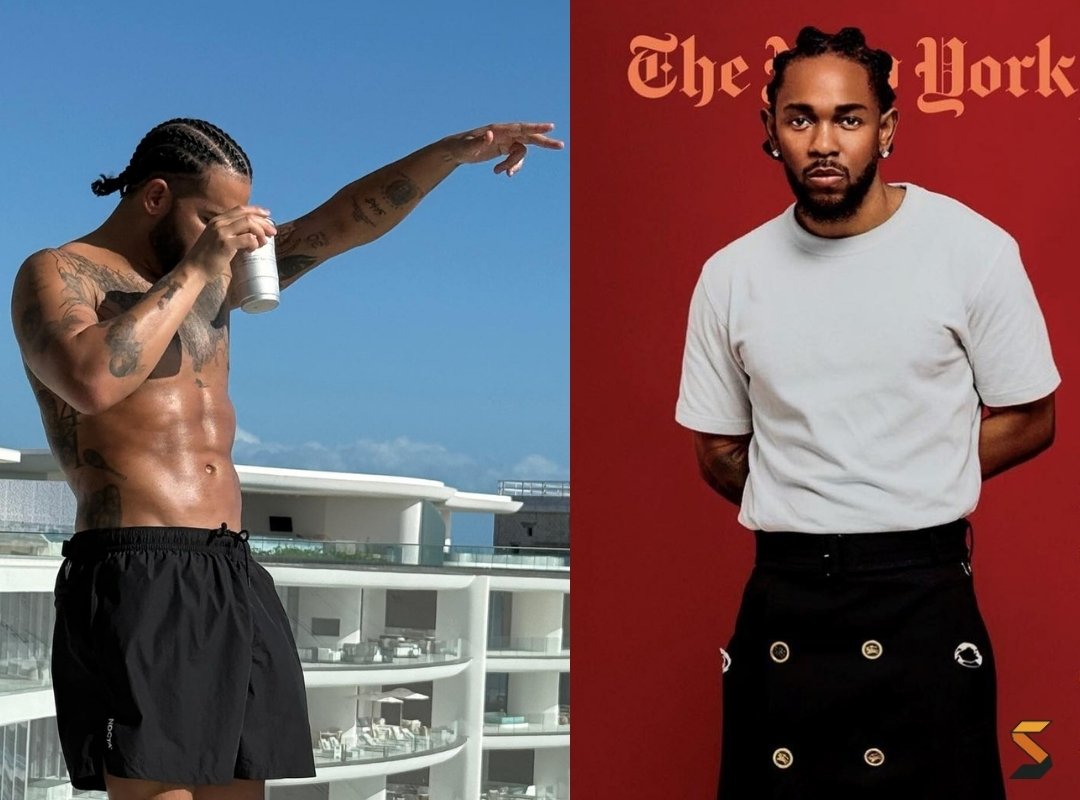
The echoes of 2024 and 2025 still ring through the digital valleys of the music industry, but the sound has changed. For nearly two years, the hip-hop landscape was defined by high-stakes friction, a "Cold War" of lyrical prowess and personal allegations that saw titans clashing for the throne. It was a period of intense gatekeeping and rigid borders. However, as we move deeper into 2026, the smoke from the Kendrick Lamar and Drake era has cleared to reveal a completely transformed territory. We are no longer living in a time of silos and solo subjugation. Instead, we have entered the age of the Great Re-Alignment, where the "super-collab" and the decentralized collective have become the primary engines of cultural momentum.
The shift is evident in every corner of the industry, from the way projects are rolled out to the architecture of the charts themselves. After the massive beefs reached their natural conclusion, the exhaustion of the audience was met with a creative pivot. Artists realized that while war generates headlines, sustainability is built through community. The industry has moved past the era of singular dominance into a more open, competitive, yet strangely collaborative environment where the goal isn't just to be the best, but to be the most connected.
For decades, the hip-hop "game" was modeled after a monarchy. There was always a "Big Three" or a "King of New York." The 2024–2025 conflicts were the final act of this specific performance. When the biggest artists in the world spent their energy trying to dismantle one another, it left a vacuum in the center of the culture. Fans began to look for something that felt less like a courtroom drama and more like a celebration of the art form itself.
This lead to the rise of the "Mega-Collective." We aren't talking about traditional labels or even crews in the classic sense. These are fluid, high-level alliances between independent powerhouses. Artists who would have previously been seen as direct competitors are now operating like a decentralized board of directors. By pooling their fanbases, sharing their production resources, and aligning their release schedules, they are bypassing the traditional gatekeepers that once dictated who could reach the top. This is strategic partnership in its purest musical form.
Jay-Z on the Evolution of the Sparring Match
Even the elder statesmen of the culture are acknowledging that the old rules of engagement have become obsolete. In a rare and revealing March 2026 interview with GQ, Jay-Z broke his silence on the fallout between Kendrick Lamar and Drake. While Hov is no stranger to the art of the battle, he admitted that the modern iteration of rap beef has shifted from lyrical "sparring" into something far more destructive.
"We love the excitement and I love the sparring, but in this day and age there's so much negative stuff that comes with it that you almost wish it didn't happen."
The billionaire mogul noted that the hostility of the 2024–2025 era felt like it took the culture "a couple steps back" rather than pushing it forward. He specifically pointed to how social media hardens fanbases, noting that "people that like Kendrick hate Drake, no matter what he makes," which he views as a barrier to audience engagement and growth. For Jay-Z, the competitive spirit is better served through the very alliances we are seeing dominate 2026. He suggested that the industry can achieve that same elite level of competition through collaborations rather than "breaking the whole thing apart."
One of the most significant drivers of this new era is the move toward independent autonomy. The post-beef world taught artists that relying on a single narrative or a single platform is a liability. If your identity is tied to being "the best" in a specific lane, you are vulnerable to the next challenger. However, if your identity is tied to a network of collaborators, your cultural footprint becomes much harder to erase.
We are seeing this play out in the "Super-Collab" tracks that have dominated the early half of 2026. These aren't just features where a rapper phones in a verse for a check. These are deeply integrated projects where multiple lead artists share the vision, the marketing, and the ownership. This model provides a safety net against the volatility of AI-driven search and social media whims. When four artists with massive, diverse fanbases drop a project together, they dominate the semantic search landscape and ensure that the culture cannot look away.
One of the most prominent examples of this shift is the explosive success of "Take Me Thru Dere," an ensemble powerhouse featuring YKNIECE, Quavo, Metro Boomin, and Breskii. Similarly, the track "6WA" showcases a strategic alliance between BigXthaPlug, Ro$ama, MurdaGang PB, and Yung Hood, proving that collective regional power can disrupt the national charts. Shoreline Mafia has also embraced this model with "Quickest Routes," bringing together Disco Lines, OhGeesy, and Fenix Flexin for a cross-genre effort that bridges the gap between West Coast rap and electronic scenes. Even in the R&B and Alternative spaces, the "Golden" collaboration between EJAE, Audrey Nuna, and Rei Ami demonstrates how shared ownership can amplify a project's reach.
This collaborative spirit extends beyond single tracks into full-length "supergroup" projects and joint albums. Denzel Curry’s Strictly 4 the Scythe acts as a blueprint for this era, assembling a team that includes A$AP Ferg, Bktherula, TiaCorine, and Key Nyata to create a unified sonic identity. We are also seeing high-level independent alignments like Earl Sweatshirt and Mike’s POMPEII //UTILITY, as well as the debut of PLUTO WORLD, which features heavy contributions from YoungBoy Never Broke Again, Sexyy Red, Nardo Wick, and Quavo. Even established veterans like Ty Dolla $ign, Quavo, and Juicy J are pooling their resources on "Don't Kill the Party" to maintain topical authority in a crowded market. These alliances represent a move toward strategic growth that values the collective over the individual.
Competition Without Beefs
The "Post-Kendrick/Drake" era hasn't eliminated competition; it has simply evolved the nature of the "beef." In 2026, the competition is about who can innovate the most within a collaborative framework. It’s about "one-upmanship" in the booth that feels like a high-level sparring session rather than a character assassination. This culturally fluent approach has made the music feel more alive and less toxic.
This shift has also been a boon for fans. Listeners are no longer forced to "pick a side" in a way that limits their habits. Instead, they are being introduced to new sub-genres and regional sounds through these wide-reaching alliances. A listener might come for the R&B superstar but stay for the underground lyricist who shared the track, creating a high-value SEO funnel that benefits everyone involved.
Behind the scenes, this realignment is being powered by new tools and automated systems that make global collaboration seamless. The rise of sophisticated lead generation for producers and songwriters has made it easier for artists to find the exact "missing piece" for a track without needing a major label to facilitate the introduction.
Jay-Z captured this shift in momentum during his GQ sit-down when he declared a change in his own strategic posture. After a 2025 that saw many legacy artists playing "defense" against the chaos of the industry, Hov made his intentions for the current year clear:
"We played enough defense. 2026 is all offense."
This strategic growth mindset is being mirrored across the board. By focusing on digital business infrastructure, artists are now operating with the efficiency of tech startups. They are using predictive analytics to understand where their collective sounds are trending and adjusting their "Super-Collab" lineups accordingly. This data-aware approach ensures that every release hits the high-search-intent sweet spot, maximizing both cultural impact and financial return.
As we look toward the remainder of 2026, the trend of the super-collab shows no signs of slowing down. We are likely to see more "genre-less" collectives that bring together artists from hip-hop, electronic, and global sounds to create a truly universal appeal. The walls that once separated different groupings of the music industry are crumbling, replaced by bridges built on mutual benefit and shared success.
The era of the "Big Three" may be over, but the era of the "Big All" has just begun. By moving past the rivalries that defined the early 2020s, artists have discovered a more resilient way to thrive. They have realized that in the modern digital landscape, the most powerful thing you can be is a part of something larger than yourself. The "Great Re-Alignment" isn't just a trend; it is the new standard for how music is made, marketed, and remembered.
Comments (0)
No comments yet — be the first to share your thoughts.
Leave a comment