

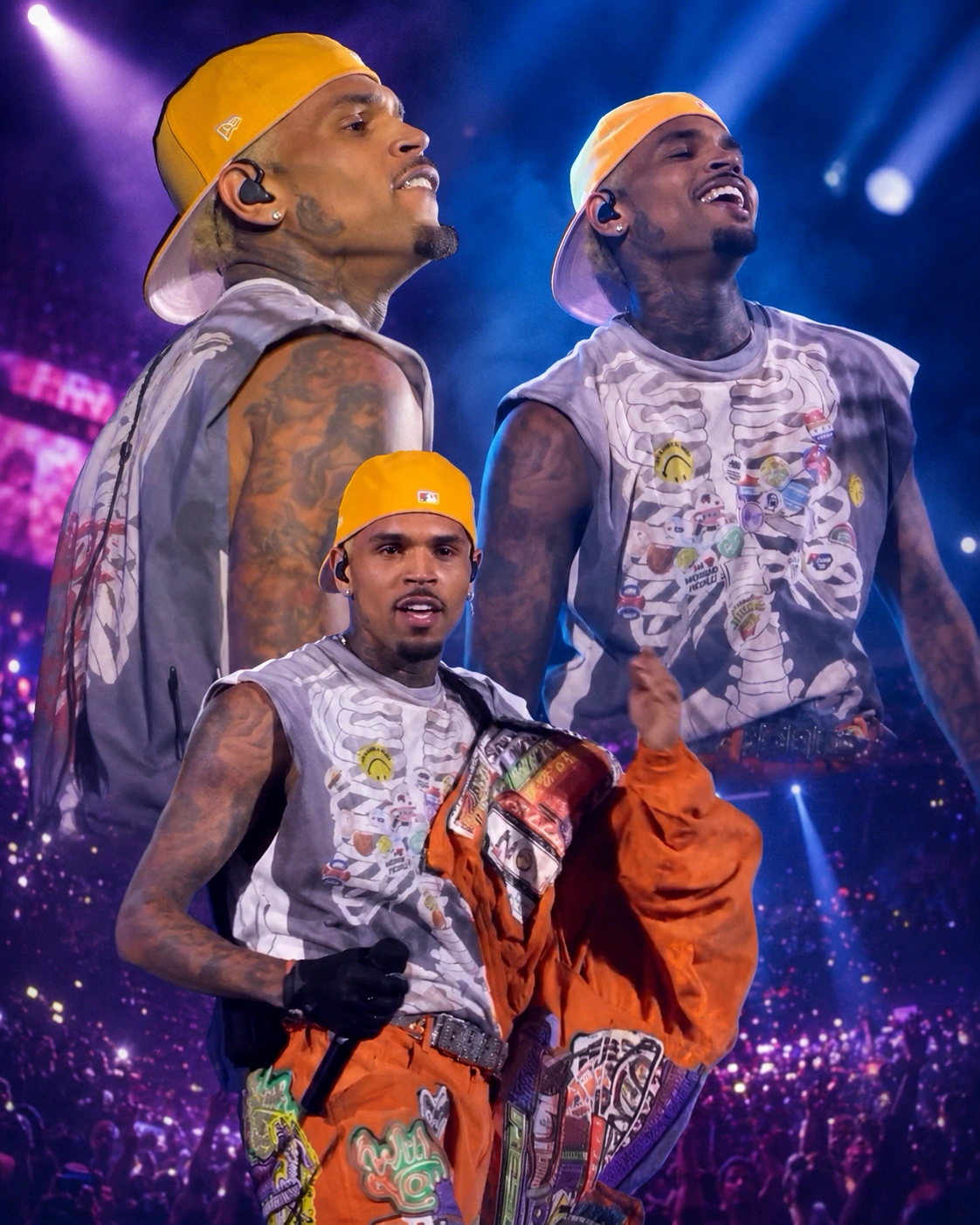
The graphic has been everywhere: Chris Brown at the top of a list, Michael Jackson sitting just beneath him, the implication clear and irresistible. Here is our verdict, stated plainly. The number is real, and the conclusion most people are drawing from it is wrong. Brown did pass Jackson on a specific industry list. He did not outsell him. Both of those sentences are true, and the entire story lives in the gap between them.
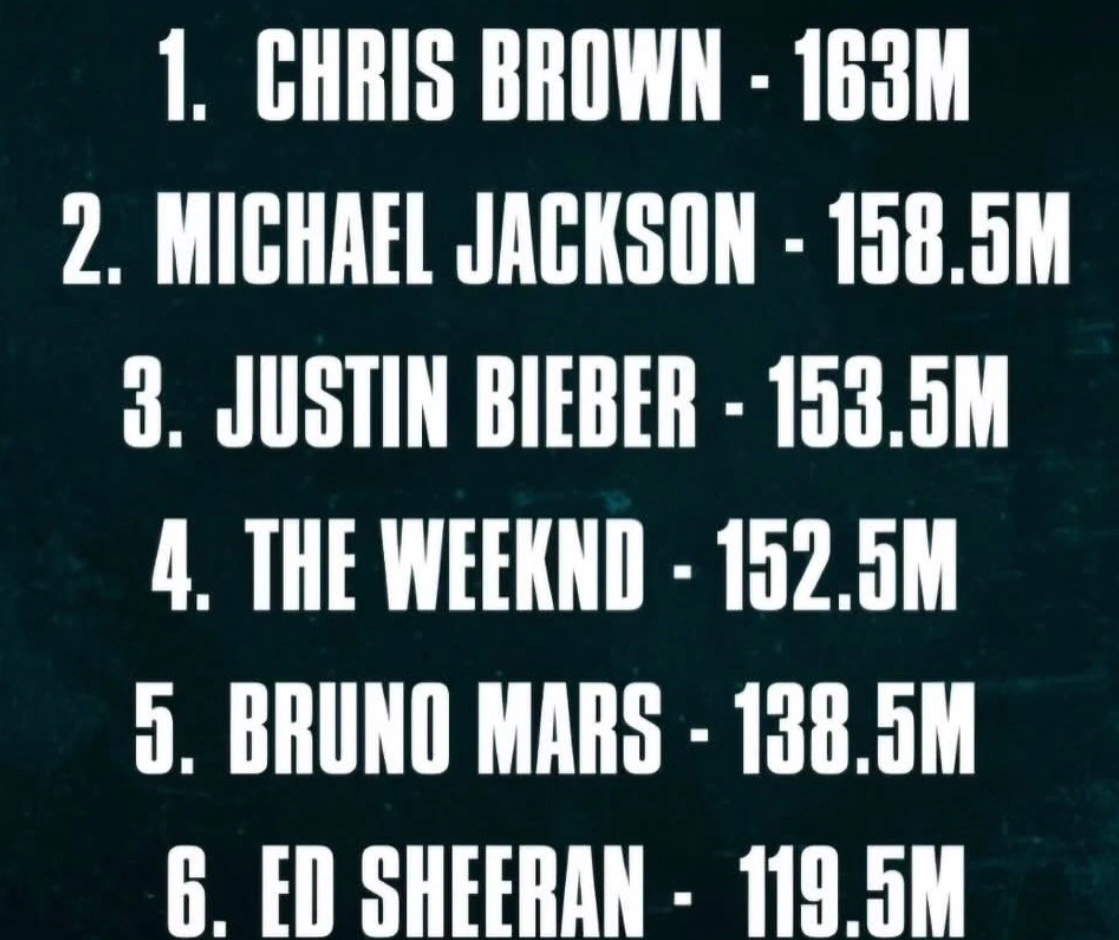
Start with the part Breezy earned, because he earned it. In December 2025, the RIAA awarded Brown eight new certifications tied to his early catalog, pushing his cumulative American album-and-singles total to roughly 163 million, past Jackson's 158.5 million. That made him the highest-certified figure in a category Jackson had held for decades. The accurate version of the headline is that Brown is now the best-selling Black male vocalist in the chart body's history, a genuine milestone built on a two-decade run of hits, arriving the same year he filled stadiums on the Breezy Bowl XX tour. No asterisk erases that. He is one of the most consistent hitmakers his genre has ever produced, and the plaque is real.
What the Plaque Actually Counts Now
Here is where the graphic deceits by omission. RIAA totals are not records sold in the way the word "sold" lives in most people's heads. They are RIAA certified units, and in the streaming era that math has been quietly rewritten. Fifteen hundred streams count as a single unit. Ten of those song-units fold into one album-unit. A catalog that lives and breathes on streaming, year after year, racks up units in a way a pre-streaming catalog simply cannot. Brown's lead leans heavily on digital single sales, a lane where he tops every male R&B singer in history. That is an achievement of one very specific era, and it is not the same instrument that once measured Jackson.
The certifications that pushed him over the line tell the story by themselves. The December batch was not a wave of new smashes. It was a set of upgrades to early catalog staples like "Run It," "Yo (Excuse Me Miss)," "Say Goodbye," and "Gimme That," songs that first landed in 2005 and 2006. The milestone, in other words, was not powered by some late-career explosion. It was powered by twenty-year-old records finally being recounted under rules that did not exist when they were released. That is the modern plaque in a single sentence: old songs, new arithmetic.
Comparing certified units across those two eras is comparing apples to oranges with the sticker peeled off. The plaque used to certify sales. Increasingly it certifies streaming endurance, which is a different thing wearing the same gold paint. We made a version of this case when the Grammys ballooned to a hundred categories, in our piece on why more awards can mean less. The metric inflates, and the meaning quietly leaks out the back. The same erosion is happening to the certification plaque, one streaming milestone at a time.
The Title the Meme Rounded Up
The graphic also inflates the trophy itself. The claim circulating is that Brown is the best-selling male R&B or pop artist in the country, and the narrower truth is more precise than that. Among all male vocalists in the United States, Brown is not first. He is third, trailing Elvis Presley at 189.5 million and country star Luke Combs at 163.5 million. The real record is exact and worth getting right: highest-certified Black male vocalist, in the United States, by the RIAA. That is true, and it is impressive, and it is not the same sentence as "best-selling male artist, period."
Then there is the rest of the planet. The King of Pop is, by most estimates, the best-selling recording artist in history, with more than a billion records moved worldwide, a figure Brown is nowhere close to touching. RIAA certifications measure one country. Jackson's catalog rearranged the entire globe in an era when you had to physically buy the thing to be counted. The modern artist who stacks units at home, the same dynamic that has let Drake pile up chart records, as we broke down in our deep dive on his run, is playing a different game on a different field with a different scoreboard.
The Fair Counterargument
To be fair to the milestone, there is a real case on the other side, and we should make it. Streaming units are not phantom numbers. They represent millions of people choosing to press play, over and over, long after a release week ended. A song still pulling listeners two decades later is proving something a first-week sales spike never could, which is durability. If you define dominance as sustained, measurable attention across time, Brown has a legitimate claim, and a strong one. The catch is simply that durability of listening and volume of sales are two separate arguments, and only one of them is what the word "outsold" actually means.
None of this should shrink the man's résumé, which deserves better than a comment-section brawl. Brown has spent two decades manufacturing hits at a rate almost no one in his lane has matched, from his 2005 debut through F.A.M.E., Royalty, and 11:11, each one spinning off singles that burrowed into the culture and never fully left. That is the achievement worth arguing about, and it is a far more interesting one than a single inflated figure on a graphic. It does not need a head-to-head with Jackson to mean something.
The Verdict
So believe the graphic, halfway. Chris Brown reached a real and specific milestone, and the people waving it off as a fluke are wrong about him. But the people using that 163 to argue he "outsold Michael Jackson" are wrong too, and considerably louder. The honest read is the one that holds both things at once. Give Breezy the credit he is actually owed, the most relentless singles machine of his generation, without pretending a streaming-fueled certification total dethrones a man who changed what global stardom even meant. The number is true. The story it is being recruited to tell is not. And the only people served by collapsing the difference are the ones who would rather argue than count.


Comments (0)
No comments yet — be the first to share your thoughts.
Leave a comment