

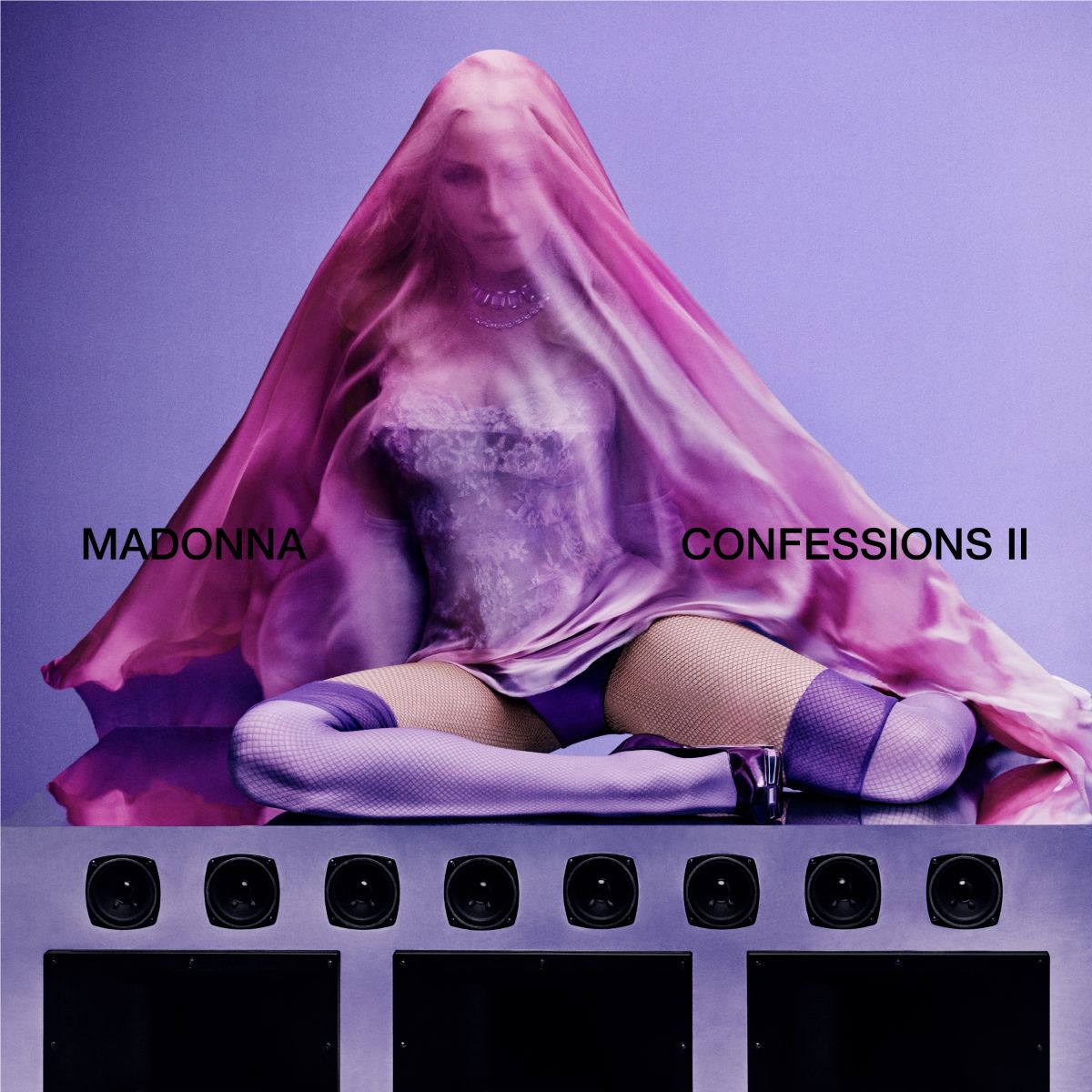
Not for the sales. For the three things she got right that legacy acts in urban music keep half-doing.
We do not usually spend a column on pop. This one is an exception, and not because it is Madonna. It is because the Confessions II debut at #1 is a case study in three lessons the hip-hop and R&B industrial complex should be watching, running, and quietly stealing from. She moved 134,000 first-week units in the U.S. She joined a two-artist club that has The Beatles in it. She built a rollout that pulled 2.16 million unique viewers to a single livestream. Take any one of those things as the story and you miss the point. The story is the way the three fit together, and the through line is her forty-year insistence that dance music is Black music, and that the club is where pop actually gets made.
The Four-Chart Club Has Two Names on the Door
There are four acts with ten or more #1 albums on the Billboard 200 and ten or more #1 singles on the Billboard Hot 100. That is The Beatles, Taylor Swift, Drake, and now Madonna. That club alone is worth a paragraph in any other publication. It is not what makes this milestone singular. The singular milestone is the four-corner geography. Add the U.K. Official Albums Chart and the U.K. Official Singles Chart to the picture, require ten #1s on each of the four, and the room clears out. On that filter the door reads Madonna and The Beatles. That is the whole list.
Drake, whose fourteen Hot 100 #1s puts him ahead of Madonna on that specific U.S. chart, does not have ten U.K. #1 singles. Neither does Taylor Swift. Neither does Rihanna. Beyoncé and Jay-Z, both immense on the U.S. side, have not built the U.K. singles run either. That is not an insult to any of them. It is a description of what a truly transatlantic career actually looks like in the streaming era, and how brutal the geography is to hit. Hip-hop and R&B, as genres, have spent the last decade closing that gap faster than pop critics tend to acknowledge, but nobody has closed it fully. The next Black artist inside that four-chart room will change what the ceiling looks like. Watch that number.
Dance Music Is Black Music, and Madonna Never Made You Argue About It
Here is the part that matters most to us. Confessions II is Madonna's fifth decade of #1 dance music album debuts, more than any artist in history. Set the milestone aside for a second and ask why the record works in 2026. It works because she reached back for Stuart Price, the producer behind Confessions on a Dance Floor, and told him the world was dark and people needed to move. That is a professional understanding of what the genre is for. It is also an acknowledgment of who built it.
Every Madonna dance era, from "Vogue" in 1990 through Confessions on a Dance Floor in 2005 through this record now, traces back to the same room. That room is a Chicago warehouse in the early eighties, where Frankie Knuckles was inventing house music by looping four-on-the-floor kicks under disco records for a crowd of Black and Latino queer dancers who had nowhere else to go. Larry Levan was doing parallel work at Paradise Garage in New York. The ballroom scene took those beats and built a whole language of movement around them. Madonna's dance catalog is downstream of that lineage, and she has never been coy about it. She named Paradise Garage in interviews for forty years. She hired the DJs from that scene. She put voguing on world tours before the pop mainstream had learned to spell the word.
Contrast that with the last five years of pop discourse, where every crossover attempt by a legacy pop or country act into Black music territory has arrived attached to an ownership debate that consumes the release cycle. Sometimes the debate is deserved. Sometimes it is manufactured. In every case, the artist spends the rollout defending the choice to reach for the source instead of using the rollout to celebrate the source. Madonna is the rare figure who long ago closed that conversation by simply being right the first time. Confessions II lands in the critical conversation about the music, not the politics of the reach, because she has been showing her receipts since "Into the Groove." R&B veterans planning comeback records should watch that mechanic closely. Respect for the source, credited early and often, is what gives an artist the room to be judged on the actual work.
The TikTok Live Premiere Rewrites the Rollout
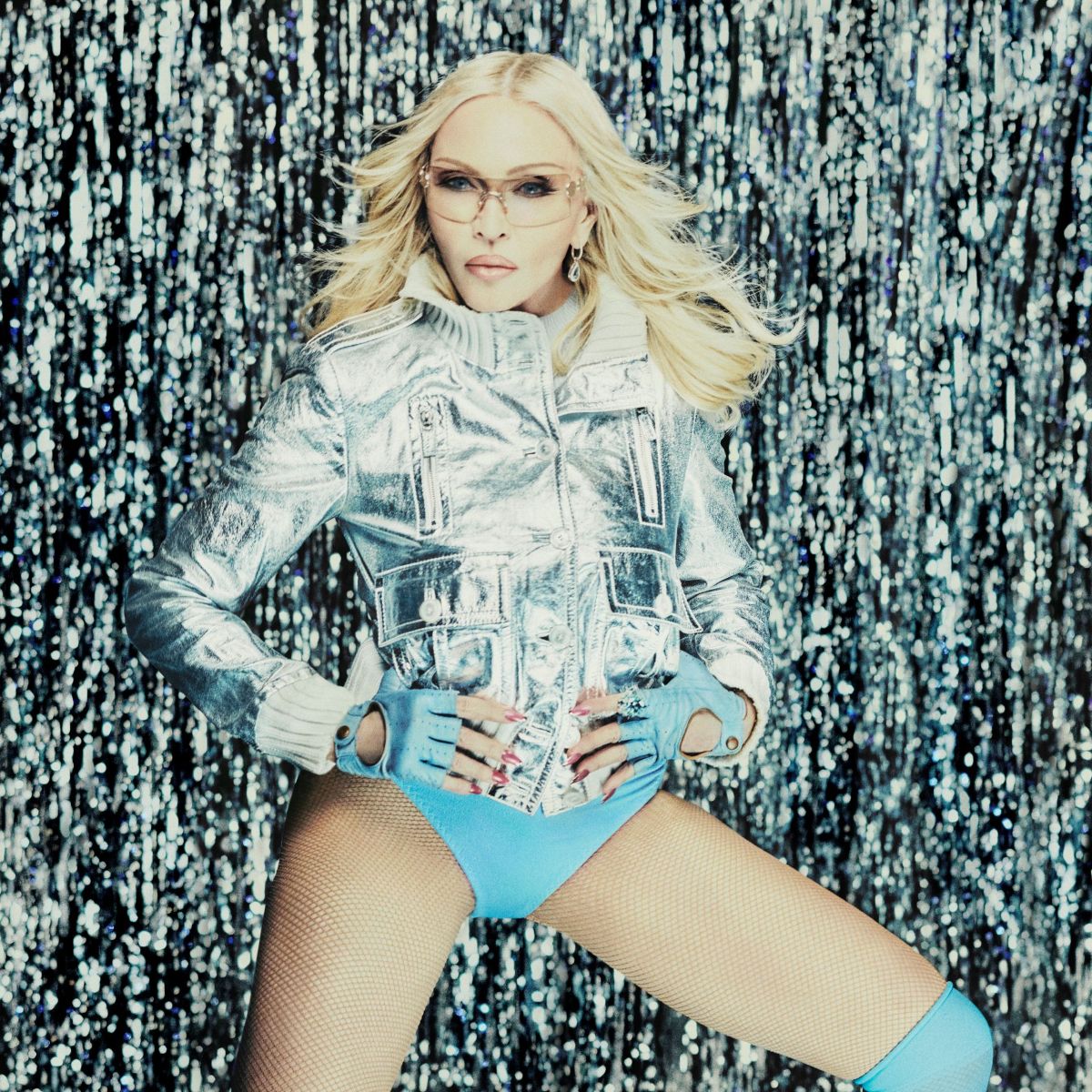
The 2.16 million concurrent viewers on Madonna's July 2 iHeart Radio and TikTok Live premiere is a headline number. The 5.75 million likes and the 139,000 comments are supporting numbers. Together they made it the biggest music broadcast TikTok Live has ever hosted. This is not a footnote. This is the album rollout template for anyone with a catalog and a base, in an environment where a Spotify premiere and a New York Times profile no longer move a body.
The event was staged live from her London release party. Producer Stuart Price and her daughter Lola Leon joined her. Bob the Drag Queen ran the conversation. Honey Dijon, Jodie Harsh, and Horse Meat Disco played through the set. In-person pop-ups called House of Confessions ran in New York and London the two days after. Notice what the campaign is actually doing. It is treating the album drop as a live event with a place, a room, a lineup, and a chat. It is programming the digital broadcast the way promoters program a club night, with named selectors and a real DJ set behind the interview. It is turning the fans into an audience the way concert broadcasts do, not into viewers the way stream events do.
Compare this to the standard hip-hop and R&B album rollout in 2026. A listening event with maybe two hundred industry attendees. A late-night radio spot. A first-week push on the streaming DSPs. Some brand activations. A single music video. The Madonna model layers a real-time global live broadcast on top of that structure and treats the broadcast itself as the flagship experience. That is where the numbers came from. And the numbers are not the point. The relationship it built with 2.16 million people watching one specific moment together is the point. That is what a real fan campaign looks like now, and it is not out of reach for a Nas, a Missy Elliott, or a Mary J. Blige rollout. It just requires a team that understands the live broadcast is the release, not the promotion for the release.
What Confessions II Is Actually Telling Us
Madonna's own line from the album cycle is worth reading twice. "People think that dance music is superficial, but they've got it all wrong." She has been proving that thesis on the Billboard 200 for forty-two years. Confessions II is her tenth U.S. #1, her thirteenth U.K. #1, and her fifth consecutive decade of #1 dance album debuts. She is the only U.S. female artist with #1 albums across five decades in the U.K. And The Beatles remain the only other act standing in the four-chart room with her.
Strip the milestones down and what she has really done is model, one more time, the three things legacy artists in Black music should be internalizing right now. She credited the source. She built for global geography. And she reinvented the rollout on a platform she does not need to prove herself on. When the next hip-hop veteran plans a return, and the next R&B icon plans a Confessions-style dance record of her own, the map is right there. The only real question is who has the room to actually run it.
Comments (0)
No comments yet — be the first to share your thoughts.
Leave a comment