

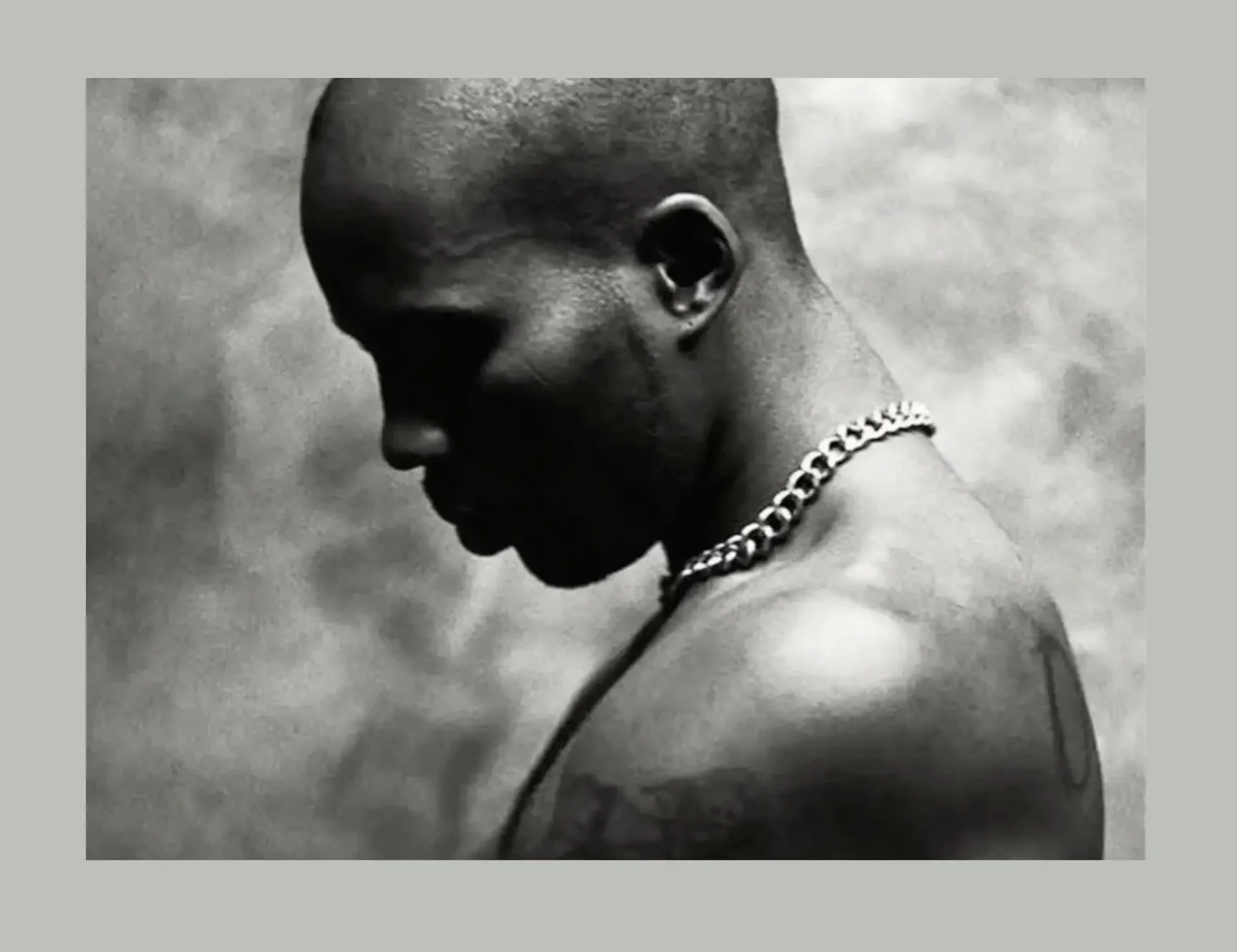
Durrell Martin met Earl Simmons in the lobby of a Los Angeles hotel roughly nine months before the fragrance went on sale, and the rapper chose the red bottle himself. That was 2020, and the scent launched that December. Simmons, the Yonkers-raised hitmaker the world knew as DMX, died on April 9, 2021 at a hospital in White Plains, and the bottle went quiet with him. On Friday (Aug 28), the Black-owned house Isidore Luxury put The DMX Collection back on pre-order as a limited-edition release, $149.99 for 3.4 ounces, with the estate's approval and his daughter's voice in the announcement.
Transforming a dead man's preference to a legal yes required a Westchester County surrogate, two rounds of court-appointed administrators, a suspension order, a management company in Los Angeles, and finally a judge who had to decide what the words intellectual property rights meant inside a 2016 divorce agreement.
DMX died without a will, so New York courts, rather than the artist, decided who is allowed to license his name, and it took until April 2025 for a judge to declare that the estate alone owns that right. Every product bearing his face since then traces its permission back to that ruling.
Seven weeks on the wrong side of a statute
New York spent years without a post-mortem right of publicity, which meant a performer's name and face passed into commercial free-for-all the moment the performer died. Governor Andrew Cuomo signed the fix on November 30, 2020, adding section 50-f to the Civil Rights Law, and the statute took effect 180 days later on May 29, 2021. It gives the successors of a deceased personality domiciled in the state a 40-year window to control commercial use of a name, voice, signature, photograph or likeness, and it requires those successors to register a claim with the Department of State before they can sue.
The law reaches only people who died on or after the day it took effect. Simmons died fifty days early. Whatever the estate has been able to do with his face since 2021 rests on contract, trademark and copyright rather than on the New York statute written to protect exactly the kind of artist he was.
The carve-outs matter too, because 50-f exempts plays, books, magazines, newspapers, musical works, works of art and anything of political, public interest, educational or newsworthy value, including comment, criticism, parody and satire. A biopic is not a fragrance. The statute was built to stop the second kind of use, and it arrived too late to cover him.
Five administrators, then three fewer
Westchester County Surrogate's Court issued temporary letters of administration on October 22, 2021, six months after the death, and the first appointments went to his three eldest sons, Xavier, Sean and Tacoma Simmons. Full letters of administration followed on November 6, 2023, this time naming five co-administrators. On April 17, 2024, the court suspended the three brothers, and a formal suspension order followed five days later. That left Desiree Lindstrom, his fiancee, and Sasha Simmons, his daughter, running the estate together.
Six weeks after the suspension order, on May 29, 2024, the two of them signed Artist Legacy Group as the estate's exclusive global representative. The Los Angeles firm handles name, likeness and intellectual property licensing across film, television, literary and documentary projects, brand collaborations and consumer products, and its client list runs through Sam Cooke, Ronnie Spector, Bootsy Collins, Dean Martin, John Belushi, McCoy Tyner and the Blues Brothers. Ashley Austin, the firm's chief executive, opened her statement on the deal with six words: "A force of nature. That is how I would describe DMX."
Lindstrom framed the arrangement around the audience rather than the catalog, saying simply that "Earl was devoted to his fans." The structure underneath that sentence is a licensing agency with a roster of estates, and DMX had joined it.
What a divorce agreement actually transferred
Tashera Simmons married Earl Simmons in 1999 and divorced him in 2016, and her settlement agreement contained a clause about intellectual property rights. In litigation against the co-administrators she read that clause as a transfer of half of everything, copyrights and trademarks and publicity rights and union residuals, and she separately sought $214,000 in child support arrears.
On April 7, 2025, the Supreme Court in Westchester County read it the other way. The agreement gave her a share of income from royalties, the court held, not an ownership stake in the underlying property, and the claims to publicity rights and residuals found no support in the language she was relying on. The opinion leaned on an ordinary rule of contract construction, that the entire contract must be reviewed and that particular words should be considered in the light of the obligation as a whole. The estate came out of that ruling holding sole ownership of the intellectual property.
A fragrance company cannot take a license from a family in disagreement about who owns the asset, and no responsible brand signs a name-and-likeness deal while five administrators and an ex-wife are still contesting the question. The DMX Collection returned to the market fourteen months after a judge answered it.
The same Friday, a different vault
Legacy Recordings and the Prince Estate released Timeless on August 28, ten unreleased recordings pulled from the Paisley Park vault, and the timing invites a comparison Simmons never got to make. Prince died in April 2016 at 57, also without a will. The Internal Revenue Service valued that estate at $156 million, and the case ran six years before a judge signed off in August 2022 on a split between Prince Legacy LLC, holding the heirs' side, and Prince Oat Holdings LLC, the vehicle for Primary Wave.
Two intestate deaths, two long probate fights, two catalogs that now generate revenue through professional managers rather than through the people who made the records. The difference is what each man left behind to monetize. Prince left tape. Simmons left a face, a bark, a voice that sold sneakers and movies, and the same unresolved ownership question that trailed Irv Gotti to his own obituary.
What the fragrance is really selling
Martin has been careful in interviews about where the proceeds point, telling Complex that "I focus on his children. I focus on the mission." He described his friend in terms that have nothing to do with luxury retail, saying "He was a people's person. Money didn't drive him." Sasha Simmons, who now signs the licenses, described the scent as "something that he would have liked, something we would have shared together."
A limited-edition bottle at $149.99 competes on shelf space with a hundred celebrity fragrances that no celebrity ever smelled, and the only thing distinguishing this one is a chance meeting in a hotel lobby in 2020 and the paperwork proving the family can vouch for it. Authenticity is the license, and the license took four years to clear.
The lesson sitting in Surrogate's Court
Hip-hop's ownership conversation has spent a decade on masters and publishing, and veterans from Slim Thug to Dawn Robinson have kept the contract question in public view. What DMX's file shows is a third asset that nobody drafts around, which is the name itself. His name outlived the man by five years and counting, it survived a suspension order and a contested divorce clause, and it is currently under exclusive management by a company he never met.
A one-page will could have named the person who decides. New York's 40-year publicity right now covers every artist who dies domiciled in the state, and the clock on it starts the day they die, whether or not anyone in the family knows the registration form exists. The next estate to reach Surrogate's Court will get the protection Earl Simmons missed by fifty days.

Comments (0)
No comments yet — be the first to share your thoughts.
Leave a comment