

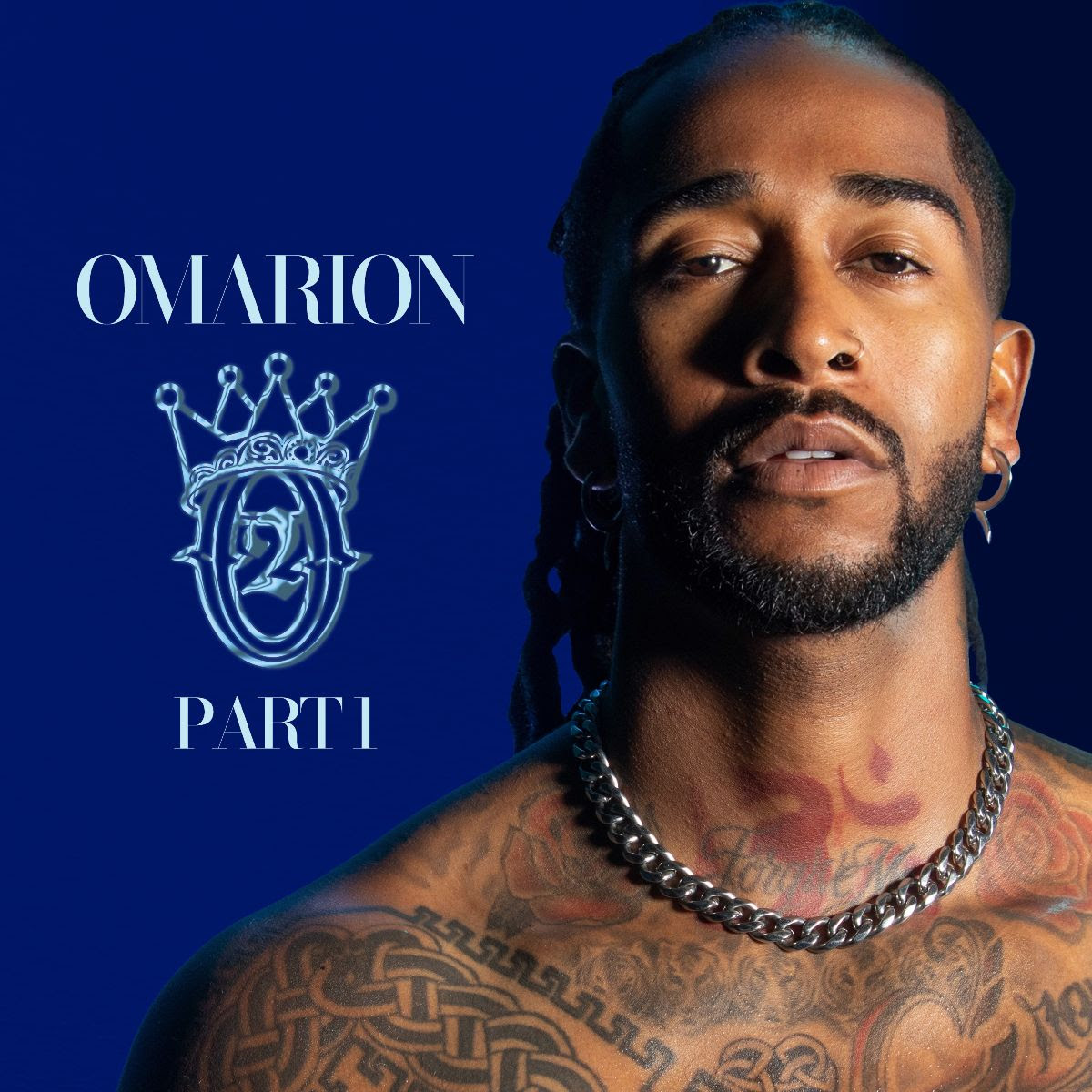
Look at the release calendar for the next five weeks and a pattern jumps out that is too clean to be an accident. Three of R&B's most distinctive veterans are each dropping a direct sequel to the album that made them. Omarion opened the run in late June with O2, a follow-up to his 2005 number-one debut. The-Dream lands July 10 with a continuation of his beloved 2007 first album. And Jacquees closes the month by returning to the project that first announced him. Different artists, different eras, one unmistakable instinct: when the future feels uncertain, go back to where you started.
We are calling it what it is. This is Sequel Summer, and it is not nostalgia for nostalgia's sake. It is a strategy, and a shrewd one. In an industry that now pays out for endurance rather than novelty, the album that built your name is the single most valuable asset you own. These artists are not out of ideas. They are reading the math correctly.
The Slate
Start with Omarion, whose O2 arrived as a deliberate "Sonic Book Two," picking up the thread of the debut that once sent him straight to the top of the chart. We covered its arrival in our New Music Friday roundup, but seen in this wider context it reads less like a one-off and more like the opening chapter of a season.
Next comes the heavyweight. On July 10, The-Dream releases Love/Hate II, the sequel to his 2007 debut Love/Hate, a record that peaked in the R&B top five and spun off staples like "Falsetto" and "Shawty Is a 10." This is no ordinary comeback. The-Dream, recently named by the New York Times among the greatest living American songwriters, is the pen behind "Umbrella," "Single Ladies," and "Baby," and the sequel reunites him with Usher on the lead single "Tampa," alongside a guest list that runs from Pusha T to Kelly Rowland. There is history in the choice, too. He once declared his third album his last, then quietly took it back before release, a reminder that in this genre the grand exit and the grand return tend to be the same gesture. When a man who shaped two decades of pop reopens his own origin story, it is worth asking why.
Then Jacquees ends July with Mood 2, a twenty-two-track follow-up to the 2016 mixtape that launched his run and earned him the self-appointed title he still defends. Anchored by the Juvenile-featured "Lick Back," it is built to soundtrack the exact cookouts and late nights the original owned. Three sequels, five weeks, one lane.
The Logic of Going Back
Here is why the timing is not coincidence but calculation. The modern music business no longer rewards the splashy debut so much as the title that keeps earning quietly for years. Certifications, playlist placement, and revenue now flow toward streaming endurance, the songs that never stop being played, and a beloved origin album is a machine already built for exactly that. It carries pre-loaded brand equity, a decade or more of search traffic, and an audience with a deep emotional attachment that a brand-new title has to earn from scratch.
Naming a project after that catalog is the smartest marketing an established artist can buy, because it inherits everything the original built. It signals to the algorithm and the audience at once: this is a continuation of something you already love. We broke down how catalog music now dominates consumption, and why the past has quietly become the industry's most reliable growth sector, in our look at the nostalgia economy. A sequel is simply the cleanest way to plant a flag in that territory. You are not competing with the streaming era. You are letting it compound in your favor.
None of this is entirely new. Rap has leaned on the sequel for years, from Nas revisiting his King's Disease run to The Game turning his debut into a franchise. What makes 2026 different is the concentration and the genre. Three R&B veterans, arriving within a single summer, all reaching for the same lever at the same moment, is not a coincidence of scheduling. It is a genre collectively realizing that its richest resource was behind it all along.
The Risk of the Roman Numeral
To be fair, the strategy carries real danger, and the smart artists know it. The moment you slap a "II" on a title, you invite the most punishing comparison in music: your new work measured against the thing people already treasure. A sequel that misses does not just underperform, it retroactively cheapens the original by association. The nostalgia economy can flatter a lazy record right up until the fans notice they are being sold their own memories back to them.
There is a creative charge here too. A run of sequels can read as a genre reaching backward because it is unsure of its footing forward. The honest counterpoint is that the healthiest version of this trend treats the origin title as a foundation to build on, not a costume to wear, and only a few of these projects will clear that bar. The name gets you the click. Only the music earns the second listen.
Why It Is R&B, and Why It Is Now
It is no accident this is happening in R&B specifically rather than rap. R&B runs on intimacy and mood, on worlds a listener returns to again and again, which makes its classic albums uniquely suited to a sequel. These are records people lived inside, not just played once, and that loyalty is precisely the asset a follow-up is designed to reactivate.
There is also a harder truth underneath it. R&B has spent a decade squeezed out of pop radio's center and boxed into the smaller categories at the major award shows, which has pushed its veterans to lean into the one thing no gatekeeper can take from them: their own catalogs. That same energy is fueling the wave of reunions running parallel to the solo sequels. Omarion's group B2K just shared a Verzuz stage with Pretty Ricky and debuted "Mileage," their first new single in more than twenty years. The R&B veterans of the 2000s are not waiting to be re-crowned by the industry. They are reopening the vault themselves.
Renaissance or Retreat
So which is it, a genre rediscovering its power or one running out of road? The answer, as usual, is that it depends entirely on the execution. If Love/Hate II and its peers use their origin stories as a launchpad, this becomes a renaissance, proof that R&B's foundational albums were rich enough to sustain a second act. If they merely trade on the warm glow of a title, it is a retreat dressed in gold. Either way, the strategy itself is sound, and the rest of the industry should be taking notes. The smartest move in music right now is not chasing the next sound. It is owning your first one, and knowing exactly when to go back for it.
Comments (0)
No comments yet — be the first to share your thoughts.
Leave a comment