

A double album, a suited-up reinvention, and a fiftieth-anniversary festival all land on the same Friday this year. That is not a scheduling coincidence. It is a culture deciding when its calendar begins.
For most of music history, the third Friday in June was just another release date. Then artists started paying attention to what day it actually was. This year, Juneteenth falls on Friday, June 19, and the convergence is impossible to ignore: PJ Morton drops a double album, YG releases his most personal record in years, and the fiftieth-anniversary AFRAM festival takes over Baltimore the same weekend. Releasing Black music on a Black freedom holiday has gone from a rare gesture to a full-blown tradition, and 2026 is the clearest proof yet.
The short version: June 19 commemorates the day in 1865 when Union soldiers finally reached Galveston, Texas, to tell the last enslaved people there that they were free, two and a half years after the Emancipation Proclamation. It became a federal holiday in 2021. And somewhere along the way, it became the day Black artists choose to make their loudest statements. Here is how that happened, and why it matters more than the music industry's usual calendar games.
The turning point was 2020. In the final hours of Juneteenth that year, in the middle of a national reckoning, Beyoncé surprise-released "Black Parade," tying the song to a directory of Black-owned businesses and a simple declaration that Black joy is your right. For a proud Texas artist, dropping on the date her home state gave the holiday to the world was the opposite of accidental. It was a thesis statement, and it rewired how the industry thinks about June 19.
The timing of that shift was not random. Congress made Juneteenth a federal holiday in 2021, and as official recognition spread, so did the instinct among artists to claim the date. What began as a singular gesture hardened into an annual rhythm, with releases, capsule collections, and benefit campaigns increasingly clustering around the holiday. The industry noticed that audiences were primed to engage on June 19, and the day quietly became one of the few on the calendar where commerce and conscience could occupy the same release, where dropping a record could double as a statement of values without either half feeling cynical.
Since then, the date has accumulated weight. Releasing on Juneteenth signals that an artist understands the assignment, that the work is connected to something larger than a first-week number. It transforms a product launch into a cultural act. That is a meaningful shift in a business that usually picks release dates based on chart competition and streaming windows, and it slots directly into the preservation-minded spirit we mapped in our Black Music Month 2026 kickoff. The calendar itself has become a canvas.
This year's headliner is PJ Morton, the New Orleans soul architect and six-time Grammy winner serving as the official Grand Marshal of Black Music Month. His double album, Saturday Night, Sunday Morning, arrives on Juneteenth, splitting the secular and the sacred down the middle, the party and the pulpit, in a way only a preacher's son raised on the road could pull off. He pairs it with a same-titled exhibition that opens at the National Museum of African American Music the day before. For Morton, releasing this particular project on this particular day is the culmination of the entire month he was chosen to lead.
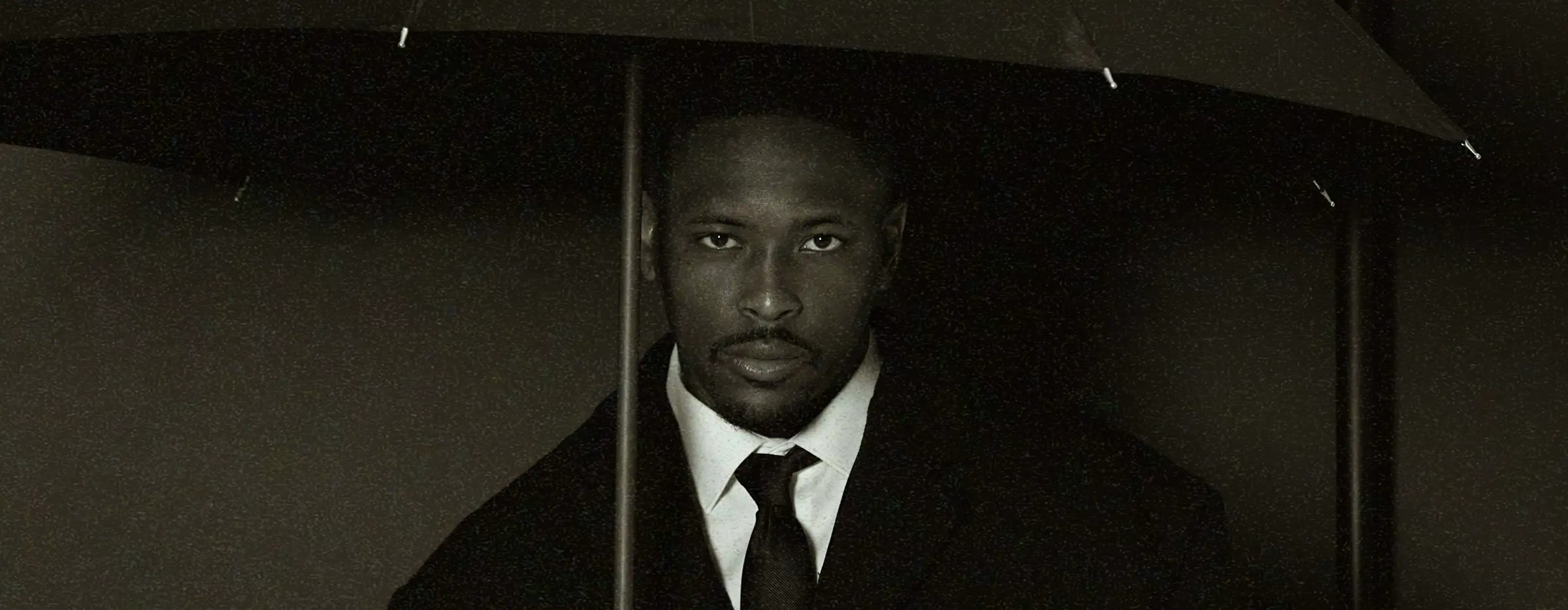
Then there is YG, and his choice is just as telling. The West Coast veteran built his name on aggressive gang-line anthems, but The Gentlemen's Club, his eighth album, finds him in a suit, both literally on the cover and figuratively in the music. The long rollout included "2004," one of the most vulnerable songs of his career, confronting childhood trauma, alongside softer, R&B-tinged turns like his Leon Thomas collaboration. An artist known for the hardest version of himself, choosing to show his most reflective side, and choosing Juneteenth to do it, is its own quiet kind of statement about growth and freedom.
Put the two artists side by side and the symbolism sharpens. A soul veteran splitting his project between Saturday-night indulgence and Sunday-morning redemption, and a street-rap veteran trading bravado for vulnerability, both arriving on the same freedom holiday from opposite ends of the Black musical map. Neither one needed to drop on June 19. Both chose to, because the date layers a meaning onto the work that no marketing budget could ever buy. That is the quiet power of releasing on Juneteenth: the calendar does some of the storytelling for you.
The recorded music is only half the weekend. In Baltimore, AFRAM, billed as the largest free African American festival on the East Coast, celebrates its fiftieth anniversary June 19 through 21. Charlie Wilson headlines a stacked bill that includes Tamia, Normani, Chlöe, Mario, and PJ Morton himself, who is set to debut the new album on stage. Fifty years of a free, community-built celebration of Black music landing in the same window as these marquee releases is the live-music expression of the exact same impulse: gather, celebrate, and refuse to let the moment pass quietly.
That free admission detail matters. AFRAM was built so that the celebration belongs to everyone, not just those who can afford a ticket, which is the same accessibility ethic driving the museums and youth programs anchoring this month. The festival and the album drops are not separate stories. They are one weekend-long argument about whose music this is and who gets to enjoy it.
Strip it down and the Juneteenth release is about reclaiming time itself. For generations, Black artists made the soundtrack of American culture while being denied ownership of nearly everything around it, their masters, their publishing, and even the calendar that organized when their work reached the world. Choosing to drop on June 19 flips that. It says this art belongs to a lineage of freedom, and we will decide when to release it, a sentiment that rhymes directly with the ownership wave we traced in our piece on how artists are seizing control of their own music in 2026.
There is also a continuity worth naming. PJ Morton's gospel-soul lineage and YG's R&B excursions both connect to the broader resurgence of warm, rooted Black music we covered in our look at how Mariah the Scientist and Leon Thomas rebuilt modern R&B, and Leon Thomas turns up on YG's album, tying the threads together neatly. Teaching the next generation why this date carries that weight is its own ongoing project, one that plays out in classrooms as much as on streaming platforms.
So when your feed fills up on June 19, look past the new releases for a second and see the bigger picture. A holiday the country ignored for over a century has become the day the culture plants its flag, on its own terms, on its own schedule. That is not marketing. That is freedom, set to music. Stay with us through the weekend as we cover every drop, every set, and every reason this date keeps growing in power.
Comments (0)
No comments yet — be the first to share your thoughts.
Leave a comment