

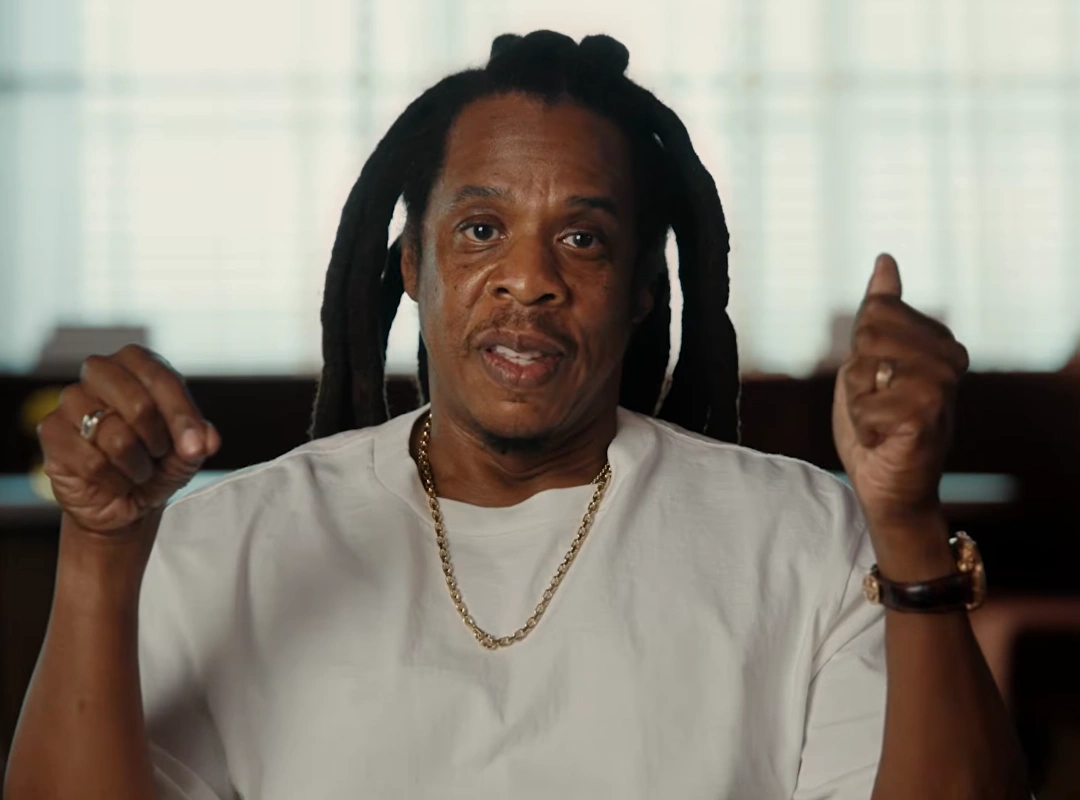
There are artists, and then there are architects. Jay-Z has spent the better part of three decades proving he is firmly in the second category. While his peers were chasing platinum plaques, Shawn Carter was quietly assembling one of the most diversified ownership portfolios in entertainment history. As a new generation of artists debates streaming royalties and label deals, the blueprint Jay-Z drew up is not just still relevant, it is the standard that everyone else is still trying to reach.
This is not a nostalgia piece. This is a breakdown of the specific business moves Jay-Z made, why they worked, and what today's artists are getting right and wrong when they attempt to follow the same path.
The Foundation: Roc-A-Fella and the Lesson of Ownership
Before Jay-Z was a mogul, he was a rapper who could not get signed. That rejection became the origin story for everything that followed. In 1995, along with Damon Dash and Kareem "Biggs" Burke, he co-founded Roc-A-Fella Records rather than accept unfavorable terms from established labels. Roc-A-Fella Records was a fully functioning independent operation that controlled its own masters, managed its own distribution relationship with Def Jam, and retained creative authority over its releases.
The move established a principle that Jay-Z has returned to throughout his career: if the terms of entry do not serve you, build your own door. When Def Jam eventually acquired Roc-A-Fella in 2004, Jay-Z did not simply cash out. He leveraged the acquisition into the presidency of Def Jam itself, turning a sale into an executive promotion. That kind of strategic thinking, where every transaction is also an advancement, is what separates business-minded artists from those who simply collect checks.
Catalog and Masters Ownership
Long before Taylor Swift made master ownership a dinner table conversation, Jay-Z was structuring deals designed to keep him close to his catalog. The broader music industry spent decades convincing artists that masters were too complicated, too expensive, or simply not available to them. Jay-Z's career arc told a different story.
His acquisition of Tidal in 2015 was, at its core, a catalog control play dressed up as a streaming platform launch. By owning a piece of the distribution infrastructure, he was not just collecting royalties. He was positioning himself on the side of the industry that determines how music moves and how money flows. When he eventually sold a significant stake in Tidal to Square, now known as Block, in 2021, the deal was valued at approximately $297 million. That return was built on years of understanding that the platform is as valuable as the content it carries.
Artists today who are focused exclusively on their streaming numbers are missing the lesson. Jay-Z was never just counting plays. He was accumulating positions in the systems that count them.
Roc Nation: An Infrastructure, Not Just a Brand
Founded in 2008, Roc Nation is the clearest expression of Jay-Z's business philosophy at scale. It operates simultaneously as a record label, artist management company, talent agency, sports management firm, and entertainment company. That structure was intentional. By creating an ecosystem where artists could record, be managed, get booked, and build brand partnerships all under one roof, Jay-Z eliminated the need for artists signed to or managed by Roc Nation to give leverage to outside entities.
The sports management expansion was particularly forward-thinking. Roc Nation Sports now represents some of the highest-paid athletes in football, baseball, and boxing. That move diversified revenue streams while simultaneously raising the cultural profile of the brand. When a company manages both Grammy-winning musicians and Super Bowl-winning athletes, its negotiating power with sponsors, broadcasters, and venues is fundamentally different from a company that does only one of those things.
What today's artists often replicate is the aesthetic of this model without the architecture. Starting a label or a management company is not the same as building an infrastructure. The difference is whether the structure generates revenue and leverage independently of any single artist's moment, including your own.
Equity Over Endorsement
Jay-Z's approach to brand deals redefined what artists should expect from corporate partnerships. His early work with brands like Reebok produced the S. Carter sneaker, which at the time was the fastest-selling signature shoe in Reebok's history. But more important than the sales figure was the structural lesson: he was not simply endorsing a product. He was producing one, which meant his involvement generated royalties and creative credit rather than a flat fee.
That model evolved significantly with his investment in Armand de Brignac champagne, known widely as Ace of Spades, and D'Usse cognac. These were not celebrity endorsement deals in the traditional sense. They were equity positions in premium consumer goods that appreciated in value as his cultural influence amplified the brand. When LVMH acquired a 50% stake in Armand de Brignac in 2021, the deal reportedly valued the brand at well over $600 million. Jay-Z did not get a check for appearing in an ad. He got a return on an ownership stake he had built over years.
The artists in 2026 who are doing this correctly are the ones approaching brand conversations with the question of what percentage they can hold rather than what flat fee they can negotiate. The ones still doing it wrong are the ones trading their cultural influence for a one-time payment and no ongoing stake in what their name builds.
The NFL Deal: Influence as Infrastructure
In 2019, Roc Nation signed a partnership with the NFL to serve as an entertainment and social justice advisor for the league. The deal was controversial from the moment it was announced, drawing criticism from advocates who felt it softened the league's stance on Colin Kaepernick and player protests. That debate is real and legitimate. But from a pure business architecture perspective, the move demonstrated something worth studying.
Jay-Z secured a seat at the table of one of the most powerful and profitable sports organizations in the world, including influence over Super Bowl halftime show selections and broader entertainment programming. The Roc Nation NFL partnership was not a sponsorship. It was a structural role inside an institution with a multi-billion dollar media footprint. Whatever your position on the politics of the arrangement, the business logic reflects a consistent pattern: Jay-Z does not seek access to powerful rooms. He seeks roles within them.
What Today's Artists Are Getting Right and Wrong
The influence of Jay-Z's playbook is visible everywhere. More artists are asking about master ownership. More are launching independent labels before they have mainstream success. More are approaching brand deals with equity conversations rather than just fee negotiations. That shift in awareness is real, and Jay-Z's career is a significant reason for it.
But the most common mistake is treating the outcomes of his strategy as the strategy itself. Starting a label is not the same as understanding why Roc-A-Fella worked. Taking an equity stake in a brand is not automatic success if the brand has no genuine market fit. Strategic patience is the element of Jay-Z's approach that is hardest to replicate and least often discussed. Most of his biggest returns came from positions he held for years before they paid off visibly. Tidal was widely mocked before the Square deal. Armand de Brignac was a punchline before it was a nine-figure asset.
The blueprint was never about moving fast. It was about building positions that compounded.
Jay-Z is 56 years old in 2026 and has been in the music industry for over 30 years. The fact that his business decisions are still being analyzed as a current reference point rather than a historical footnote says something significant. The music industry landscape has changed dramatically since Reasonable Doubt dropped in 1996. Streaming replaced physical sales. Social media replaced radio as the primary discovery mechanism. AI is now reshaping how music is created and distributed.
Through all of it, the core of what Jay-Z built has remained relevant because it was never dependent on any single platform, format, or cultural moment. It was built on the principle that ownership creates options, that infrastructure outlasts influence, and that the most powerful position in any industry is the one from which you help determine how value moves.
That is the blueprint. And in 2026, it still has not been improved upon.

Comments (0)
No comments yet — be the first to share your thoughts.
Leave a comment