

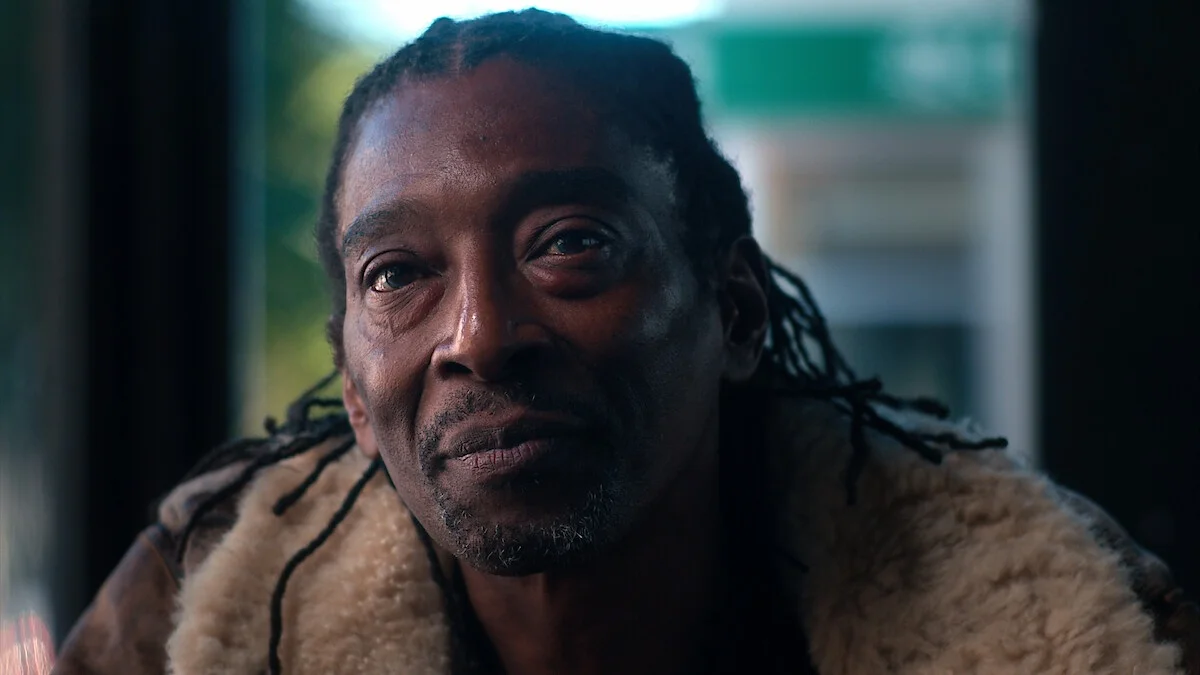
Kirk Burrowes says the meeting that ended his ownership of Bad Boy Records took place in his office in 1996. In an interview with The Art of Dialogue, Burrowes alleged that Sean Combs arrived without warning alongside company attorney Kenneth Meiselas, who carried a briefcase filled with stock certificates. Combs, he said, was holding a baseball bat. Burrowes told the YouTube series he never expected to be threatened in his own office. His biggest grievance, he said, was losing the ownership stake he had been promised. “I started this company with you from day zero,” he said. No court has ruled on whether the meeting happened as Burrowes describes it. His latest lawsuit remains pending.
On Sept. 15, U.S. District Judge Jennifer H. Rearden rejected Janice Combs’ initial motion to dismiss the case as moot. The motion targeted Burrowes’ original complaint, but he had replaced it with an amended complaint in November 2025. As a result, the court did not address the central allegations, including whether Burrowes was defrauded or whether his claims were filed on time. Janice Combs, whose legal name is Janice Smalls, filed a renewed motion to dismiss on Aug. 31. Court filings were expected to continue through September.
Burrowes sued Combs’ mother alone in February 2025, arguing that she received and retained his Bad Boy stake. Two days later, he filed a separate suit against Sean Combs under New York City’s gender-motivated violence law. That law’s lookback period closed on March 1, 2025, prompting a wave of filings against Sean Combs. The separate case includes Burrowes’ allegations of abuse and coercion. The lawsuit before Judge Rearden focuses on ownership shares, back profits and an accounting of the company’s finances.
Bad Boy launched in 1993 with Sean Combs as chief executive and Burrowes, a former Orion Pictures marketing manager, as general manager holding a 25 percent stake. The years he claims as an owner were the label's founding run. Its first signee, Craig Mack, broke through with "Flava in Ya Ear" in 1994, and The Notorious B.I.G. released Ready to Die on Bad Boy the same year.
His original complaint says the arrangement also entitled him to 15 percent of annual profits. It says his seed money paid for the company's business manager, Bert Padell, and for Meiselas as its lawyer. He says his contributions are recorded in more than 1,000 pages of business journals, corporate filings and executive communications, according to the February 2025 complaint.
He was chief operating officer and general manager at the time of the 1996 meeting and was promoted to president the following year, Billboard reported from the filing. The complaint alleges that Combs' mother coordinated with her son and others to strip him of the stake while keeping up "a facade of integrity" in front of him. It says she asked for his help as recently as 2021 on a documentary about Bad Boy's history, then backed out of paying him.
The amended complaint asks for the 25 percent stake to be restored, for unpaid profits, for at least $100,000 and for a complete audit of Bad Boy's finances. Janice Combs denies owning Bad Boy stock or directing the 1996 encounter, and her lawyers argue the claims arrived decades too late.
Burrowes first sued Sean Combs over the stake in Manhattan federal court in 2003, and that case was dismissed in 2004. On the day he appealed the federal dismissal, he filed a state case built on nearly identical facts, and in 2006 the Appellate Division, First Department, threw it out as untimely.
The appellate panel looked at his claim that Combs kept promising him profits and shareholder status through 2001. By his own allegations, the panel noted, he had already been threatened with a bat in 1996, and his salary had been cut off in 1998. The court called his reliance on those promises "hardly justifiable" as a matter of law, which ended the case without a finding on the confrontation itself.
The 2025 suit rests on a different theory, built on what Burrowes says he learned about Janice Combs' role only in 2024. He argues that her alleged fraudulent concealment keeps the claim from being barred by the usual six-year statute of limitations. The complaint says she spent years assuring him she would help "rectify the theft of his ownership interest" while he was shut out of the industry and left without income.
Her attorney, Jonathan Davis, called the case "frivolous, indeed, preposterous" last fall and tied its timing to the federal criminal case against her son. Her filing at the time said Burrowes had let an Aug. 29, 2025, deadline to amend or respond pass without doing either. He filed the amended complaint that November, which is why the first motion became moot.
Burrowes' lawyer is Tyrone Blackburn, whom U.S. District Judge Denise Cote referred to the Southern District's grievance committee in April 2024.
Where the Catalog Sits Now
In April 2005, Warner Music Group bought a 50 percent stake in Bad Boy Records in a deal sources valued at about $30 million. Sean Combs stayed on as chief executive of the jointly owned label, and Warner took over marketing and distribution of its new and catalog releases worldwide. The deal also gave Warner joint control of the catalog, which includes Combs' own recordings and the Notorious B.I.G.'s albums.
The songwriting side moved in 2023, when Combs reassigned the publishing rights for Bad Boy's back catalog to its artists and writers. The Notorious B.I.G.'s estate, Faith Evans, Mase, The LOX and 112 were among them. That handoff covered publishing, the rights to the songs as compositions, rather than the master recordings.
Burrowes' claim is to a quarter of Bad Boy Entertainment's stock and a share of its profits, not to any particular record. If he ever won the stake back, a court would have to work out what a 1996 share of the company holds after the 2005 sale to Warner and the 2023 publishing handoff. The audit he wants would start there.
The catalog fights HitsCulture has covered, in our rundown of the worst record deals R&B artists ever signed, mostly pit artists against their labels. Burrowes' case puts a co-founding executive on the plaintiff's side and the founder's mother on the other.
What Comes Next
Judge Rearden has the renewed motion, filed Aug. 31, with briefing expected to continue through September. Janice Combs' first motion argued that the claims were legally baseless, barred by the statute of limitations and outside the court's jurisdiction. It asked for dismissal with prejudice, which would keep Burrowes from refiling. Nothing in the Sept. 15 order touches the 1996 meeting, the stock certificates or the audit. If Rearden denies the renewed motion, the case would move toward discovery, the stage where the company records behind the audit demand could be requested.
The case is Burrowes v. Smalls et al., No. 1:25-cv-01618, in the U.S. District Court for the Southern District of New York. A ruling on the renewed motion would be the first decision on whether the amended complaint can go forward.

Comments (0)
No comments yet — be the first to share your thoughts.
Leave a comment