

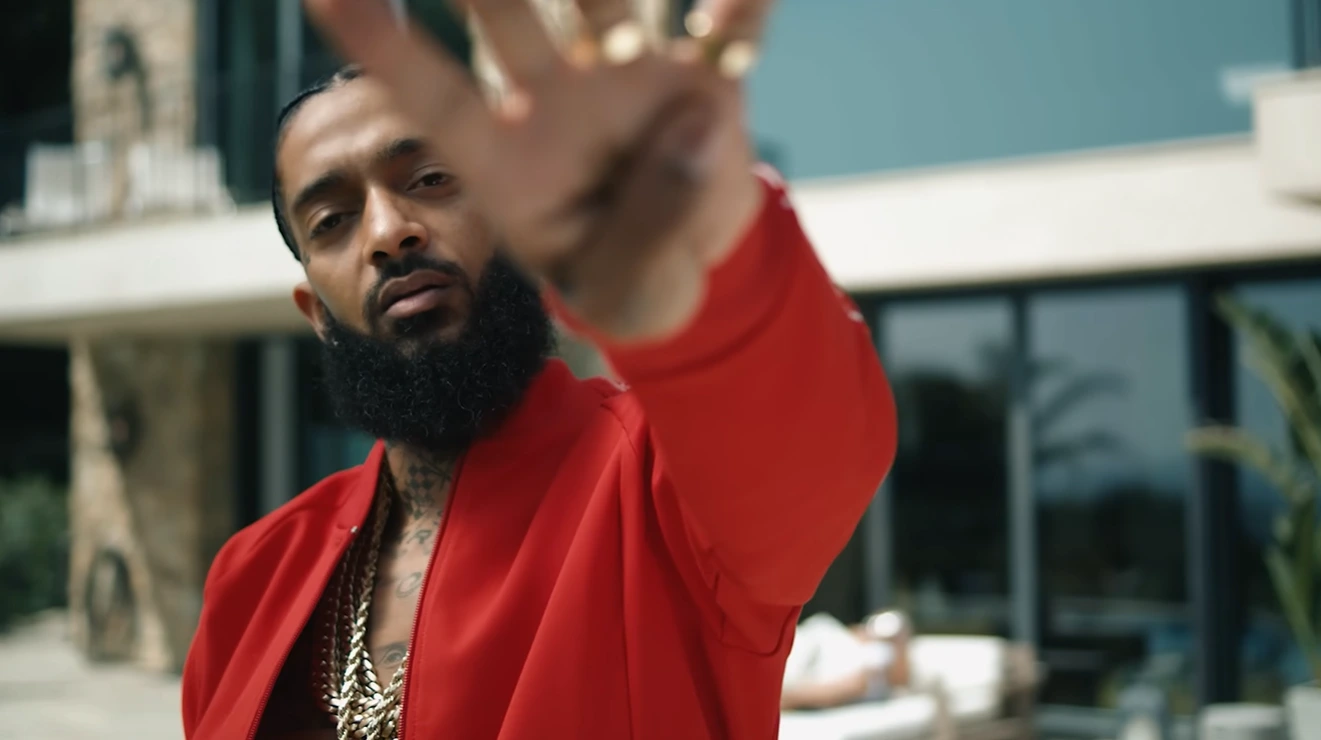
A new posthumous album lands this summer, which makes now the right moment to actually understand the man. This is not a tracklist. It is a map through the music, the money, and the mindset that turned a Crenshaw mixtape grinder into a blueprint the whole industry still studies.
Most people meet Nipsey Hussle backwards. They hear the tributes, the murals, the "The Marathon Continues" hashtags, and then they go looking for the music and feel a little lost about where to begin. That is understandable, because Nipsey did not build a tidy three-album discography you can stream front to back in an afternoon. He built a decade-long body of mixtapes, a business philosophy, and a neighborhood institution, all of it stitched together by a single idea he repeated until it became gospel. The marathon. The long game. The refusal to sprint for a moment when you can build for a lifetime. This guide is here to walk you through that body of work in order, and more importantly, to explain what it teaches.
The timing matters. On August 14, 2026, the Hussle estate will release Prolific, a full joint album with longtime collaborator Bino Rideaux that the two recorded back in 2017, arriving one day before what would have been Nipsey's 41st birthday. It is his first proper posthumous album, and his brother Samiel "Blacc Sam" Asghedom has been clear that the family only puts out work Nipsey actually built himself, not material stitched together after the fact. That standard tells you everything about how to approach this catalog. Intention was always the point.
Ermias Asghedom came up in the Crenshaw district of South Los Angeles, in a part of the city that the music industry usually mined for sound and rarely invested in for real. He made the XXL Freshman Class of 2010 alongside future heavyweights like J. Cole and Wiz Khalifa, but unlike a lot of that class, his rise was slow and almost stubbornly self-directed. He had a brief run on Epic Records, walked away from the major-label machine, and bet on himself instead. That decision is the first lesson of the entire catalog. Before Nipsey ever sold a record for a hundred dollars, he had already decided that owning his lane was worth more than renting someone else's spotlight.
For newcomers, the early Nipsey Hussle mixtapes are where the foundation gets laid. The Bullets Ain't Got No Name series and the Slauson Boy tapes are raw, hungry, unmistakably West Coast, and they establish the voice. Then comes The Marathon in 2010 and The Marathon Continues in 2011, the two projects where the philosophy and the branding fuse into something bigger than songs. This is the moment the "marathon" stops being a metaphor and becomes a mission statement. If you want to understand why a generation of independent artists treat him as a north star, the same way they study the ownership lessons in our breakdown of Jay-Z's business blueprint, start here and listen for how often he is rapping about patience, equity, and building rather than flexing.
In 2013, Nipsey did something that still gets taught in marketing conversations. He released the Crenshaw mixtape and printed only 1,000 physical copies, each one priced at 100 dollars, under a campaign he called Proud2Pay. The idea, which he borrowed from a story about a restaurant successfully selling a hundred-dollar cheesesteak, was simple and radical. If the connection with your core fans is real, they will gladly pay a premium for it. He was right. The run sold out in 24 hours. Jay-Z himself bought 100 copies, sending a ten-thousand-dollar check and a very loud signal that this kid from Slauson understood value in a way most labels did not.
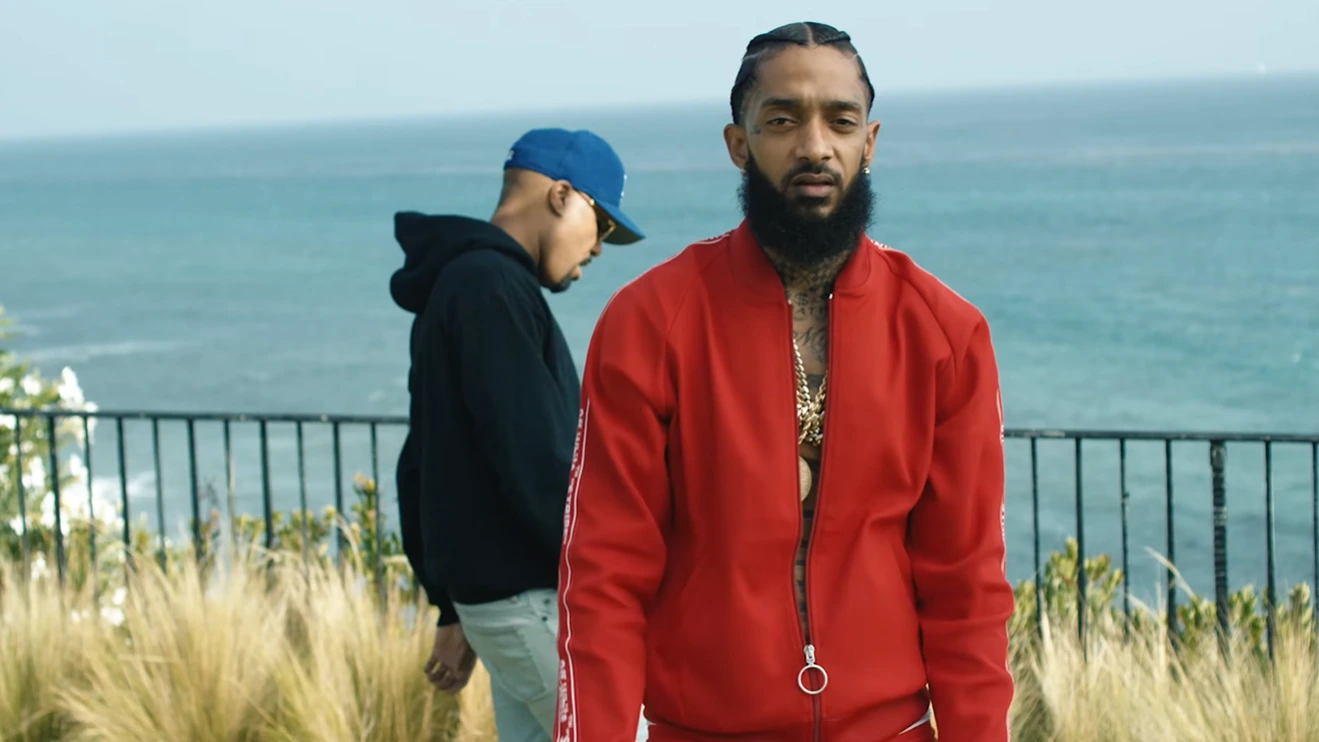
Here is the part that makes this an actual lesson and not just a flex. Nipsey released a free digital version of Crenshaw at the same time. He was not gouging anybody. He was proving that scarcity, ownership, and a genuine relationship with your audience could be worth more than a traditional release ever would. That is the thesis of his entire approach to the music industry, and it is why his name comes up in entrepreneurship circles as often as in rap ones. The same self-made, own-your-output thinking drives pieces like the InfinityAgentSolutions look at building a business around yourself without burning out, because the principle travels far beyond music.
By the time Victory Lap arrived in February 2018, Nipsey had been independent and grinding for the better part of a decade, and the album played like exactly what its title promised. It debuted at number four on the Billboard 200 and earned a Best Rap Album nomination at the 2019 Grammys. Crucially, he released it through a deal with Atlantic that kept his leverage and ownership intact rather than signing his life away for an advance. For new listeners, this is the single most important album in the catalog and the clearest entry point. It is polished without being soft, features heavyweights like Kendrick Lamar, and distills everything the mixtapes were building toward into one cohesive statement. If you only have time for one project before Prolific drops, make it this one.
To stop at the music is to miss half of why Nipsey matters. He opened The Marathon Clothing on Slauson Avenue and built it as a "smart store," one of the first of its kind, where customers could unlock exclusive content through an app. He co-founded Vector90, a co-working space and STEM center in Crenshaw designed to give local kids and entrepreneurs the kind of room that neighborhoods like his almost never get. By the end of his life he had a hand in more than a dozen businesses, and his guiding obsession was buying back his own block rather than escaping it.
This is the heart of the Nipsey Hussle legacy, and it is why this Artist Guide insists on the business as much as the bars. He treated his catalog as an asset, his community as a stakeholder, and ownership as the only real victory. That framework, more than any single song, is what younger artists have absorbed. The surge in artists asking about masters, launching labels before they are famous, and negotiating equity instead of flat fees did not come from nowhere. A real piece of that shift traces straight back to Slauson and Crenshaw.
Nipsey was shot and killed outside his Marathon Clothing store on March 31, 2019, at the age of 33. The man responsible was convicted of first-degree murder. The loss was enormous, and the response told you how deep the connection ran. At the 2020 Grammys he won two posthumous awards, Best Rap Performance for "Racks in the Middle" with Roddy Ricch and Hit-Boy, and Best Rap/Sung Performance for his feature on DJ Khaled and John Legend's "Higher," honored with a tribute that left the room in tears. His voice has appeared sparingly since, by design, because the estate refuses to flood the market with anything he did not personally craft.
That is what makes Prolific meaningful rather than exploitative. Blacc Sam has explained that the family will not release work unless Nipsey did the verse or built the blueprint himself, and this album clears that bar completely. It was a finished body of work he made with Bino Rideaux in 2017, not a posthumous patchwork. The lead singles "Reckless" and "Sacrifices" already point to a project that sounds like Nipsey on purpose, which is the only way his catalog has ever been allowed to grow.
If you are building your entry point, here is the path. Begin with Victory Lap to hear the fully realized artist, then go back to The Marathon and The Marathon Continues to understand the philosophy in its raw form, then sit with the story of Crenshaw and Proud2Pay to grasp the business mind, and finally let Prolific be the new chapter when it lands in August. Listen in that order and the catalog stops feeling scattered and starts feeling like a single, deliberate argument.
What you walk away with is bigger than a playlist. You learn that independence is a strategy, not just an attitude. You learn that a loyal audience is worth more than a viral one. You learn that the most powerful thing an artist can own is not a hit but an ecosystem. Nipsey ran the marathon all the way through, and the reason this guide exists is so you can run it back from the start. The same way he always wanted it heard. In order, on purpose, and for keeps.
Watch: Nipsey Hussle and Bino Rideaux (feat. James Fauntleroy) - Sacrifices
Comments (0)
No comments yet — be the first to share your thoughts.
Leave a comment