

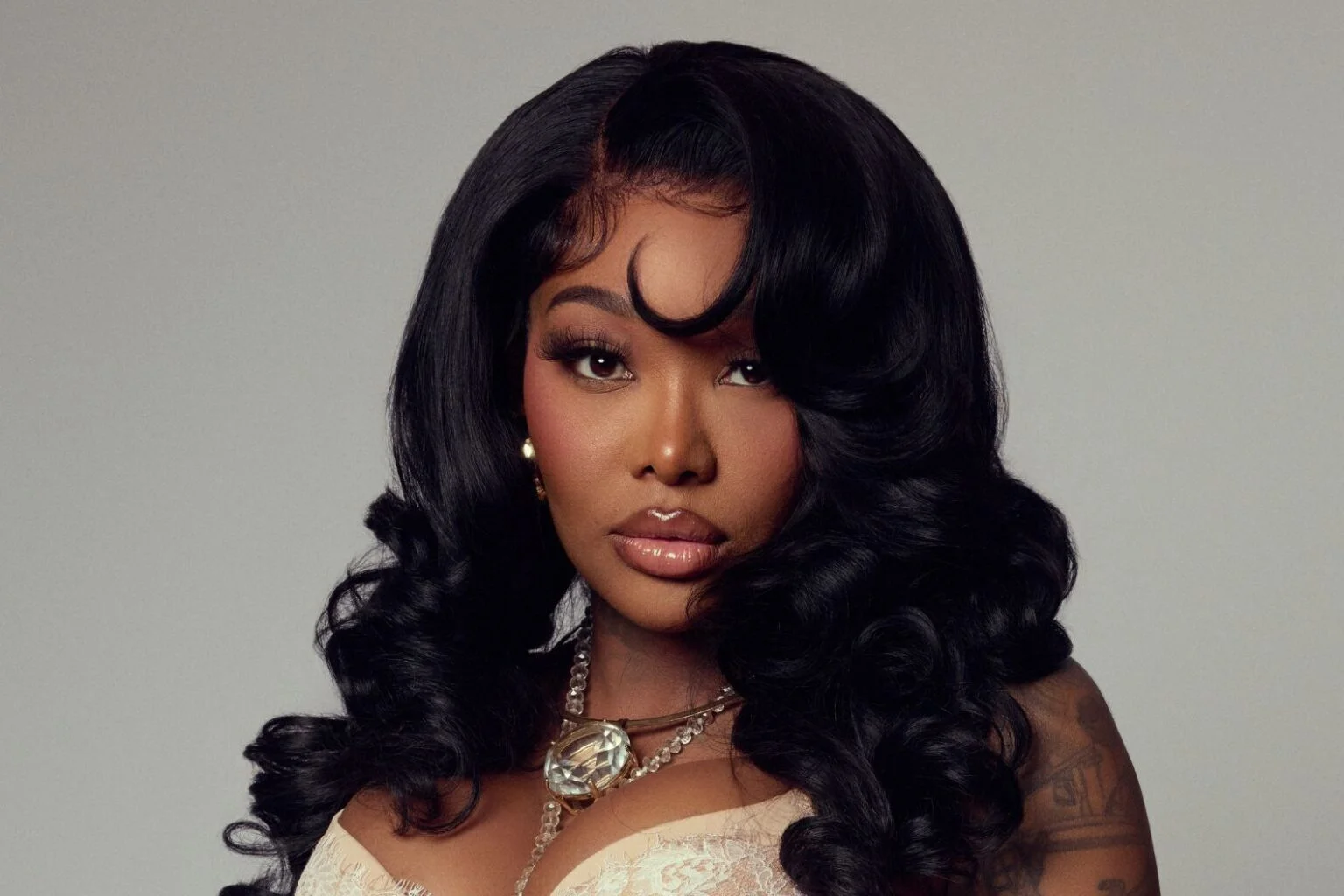
Interscope Records filed a lawsuit against Summer Walker with two days left on the clock. The Universal Music Group label's seven-page complaint landed Friday (Oct 9) in Los Angeles County Superior Court. It asks that damages, which the label says could top $50 million, be set at trial because the Atlanta singer has turned in three of the five studio albums her 2017 deal requires.
Walker's side moved first, in a letter dated Aug. 27 that told Interscope her contract was no longer enforceable under California's seven-year statute. The same law that allowed that notice gave the label 45 days from the date it named to sue over every album she had not delivered, a window that runs out Sunday (Oct 11).
According to the filing, the label credits only Over It from 2019, Still Over It from 2021 and Finally Over It, released last November. Her 2018 breakout Last Day of Summer and the CLEAR EPs are classified as pre-album projects, which is how a singer with seven releases since 2018 ends up two albums short.
California law says Walker cannot be forced to record for Interscope once seven years have passed. A 1987 amendment written for the record business still lets her label sue for the albums it says she owes, and that amendment is the entire basis of Friday's filing. Her attorney, Keith Moten, said the camp intends to "vigorously defend against Interscope's claims and pursue appropriate legal relief," wording that leaves room for a countersuit. He added that Walker remains open to a negotiated settlement, and Interscope's spokesperson described the filing as a step the deadline forced while talks continue.
The Rule Olivia de Havilland Won
The limit lives in Section 2855 of the California Labor Code, and it is still widely called the De Havilland Law after the actress who tested it. Warner Bros. kept stretching Olivia de Havilland's contract by adding the months she spent suspended for turning down roles. In 1944 a California appeals court ruled that seven years meant seven years on the calendar, no matter how many of them the studio had put on pause.
For more than four decades the rule covered singers the same way it covered actors, writers and engineers. In 1987 the recording industry won the amendment now known as Section 2855(b), which keeps the seven-year exit for recording artists. It also gives the company on the other side of the contract a right to recover damages for each album the artist was required to make and never did.
An artist has to serve written notice naming a future date when the work stops. A label that wants damages for missing albums then has 45 days from that date to file, or the claim is gone. Walker signed with Love Renaissance, the Atlanta company known as LVRN, and with Interscope in 2017. The seventh anniversary of that deal came in 2024, a full year before Finally Over It reached stores.
Artists Have Run This Play Before
Courtney Love walked away from Geffen at the turn of the century, and the suit Vivendi Universal filed against her became the most public test of the amendment. Her attorney, A. Barry Cappello, argued that the 1987 change made recording artists "a separate class of people from all other artists." Rolling Stone reported in 2002 that a Los Angeles judge let most of her claims move toward trial, and the case was later settled.
Incubus sued Sony in 2002 as its Epic contract neared its seventh anniversary with four albums still owed. Jared Leto's 30 Seconds to Mars took the same route against EMI in 2008 and absorbed a $30 million breach suit for it. The band settled the following year by signing a new deal with the label it had tried to leave, then turned the fight into the 2012 documentary Artifact.
Don Engel, the attorney who represented Don Henley in his own fight with a major label, explained the pattern during a 2002 legislative battle. Engel said his firm had invoked the seven-year rule for recording artists again and again since the amendment passed. The labels, he said, had "consistently avoided that eventuality by settling" before a court could decide what an undelivered album is worth.
Sacramento has tried to close the gap four times without success. State Sen. Kevin Murray's bill stalled in 2002, and two decades later Assemblymember Ash Kalra's FAIR Act drew a public plea from Lauryn Hill. She wrote that "no institution should be allowed the opportunity to control the market" by locking up an artist's output. The music half of the bill, AB 983, died in the State Senate Judiciary Committee in June 2022 with four votes, two short of the six it needed.
The Contract Under the Contract
Walker's deal has been argued over in public once already. In November 2021, the week Still Over It came out, Rolling Stone published 2017 versions of her agreements with LVRN and Interscope. One draft outlined a $110,000 initial advance, and the final deal set royalties starting at 15 percent and gave up her masters. Walker answered on Instagram that the article did not describe her current deal, which she said had "changed many times" over the years.
Those changes now sit inside the lawsuit, which covers the original contract and its amendments. LVRN holds two seats in the arrangement, operating as a joint venture with Interscope while also serving as Walker's management for much of her career. Rolling Stone's 2021 reporting showed that her early terms shifted depending on whether LVRN or an outside firm managed her.
The relationship showed strain before the Aug. 27 letter arrived. About a week earlier, Interscope sources told TMZ that Walker's new manager, Aubrey Banks, had claimed an A&R job at the label from 2008 to 2012 that they said he never held. Complex followed the story as label insiders questioned how he had landed the job. Nothing reported has tied Banks to wrongdoing in his work for Walker.
What Happens to the Next Summer Walker Album
The trilogy itself is finished. Finally Over It arrived Nov. 14, 2025, billed by the label as the closing chapter of the story Over It opened. Its lead single, "Heart of a Woman," had signaled the third act a year earlier. That leaves the two albums in dispute as records nobody has announced, the first Summer Walker projects made after the seven-year line.
Under the statute, Interscope cannot stop her from making those albums or force her into its studio. What the label can do is chase money for each album the complaint says she owed. Settlements in these cases have tended to look like Leto's, with a new contract, new terms and the old claim dropped, and both statements issued this weekend leave that path open.
If the two sides do not settle, Walker would be heading where Engel says labels have long refused to go. A court would be asked to put a dollar figure on music that does not exist yet. Artists following the case should keep it separate from the 35-year termination window in federal copyright law, which governs who controls recordings decades after a deal ends.
The complaint lists Walker's albums by year, 2019, 2021 and 2025, and stops there. Whatever she releases next will arrive with a court file attached, and Interscope will be named in it either as her partner or as the plaintiff.



Comments (0)
No comments yet — be the first to share your thoughts.
Leave a comment