

After a release week crowded with Drake, Kendrick Lamar and the usual argument over who owns Los Angeles rap, The Game has chosen a different way into The Documentary 3: a solo record, his own city and the version of himself he says the public rarely sees.
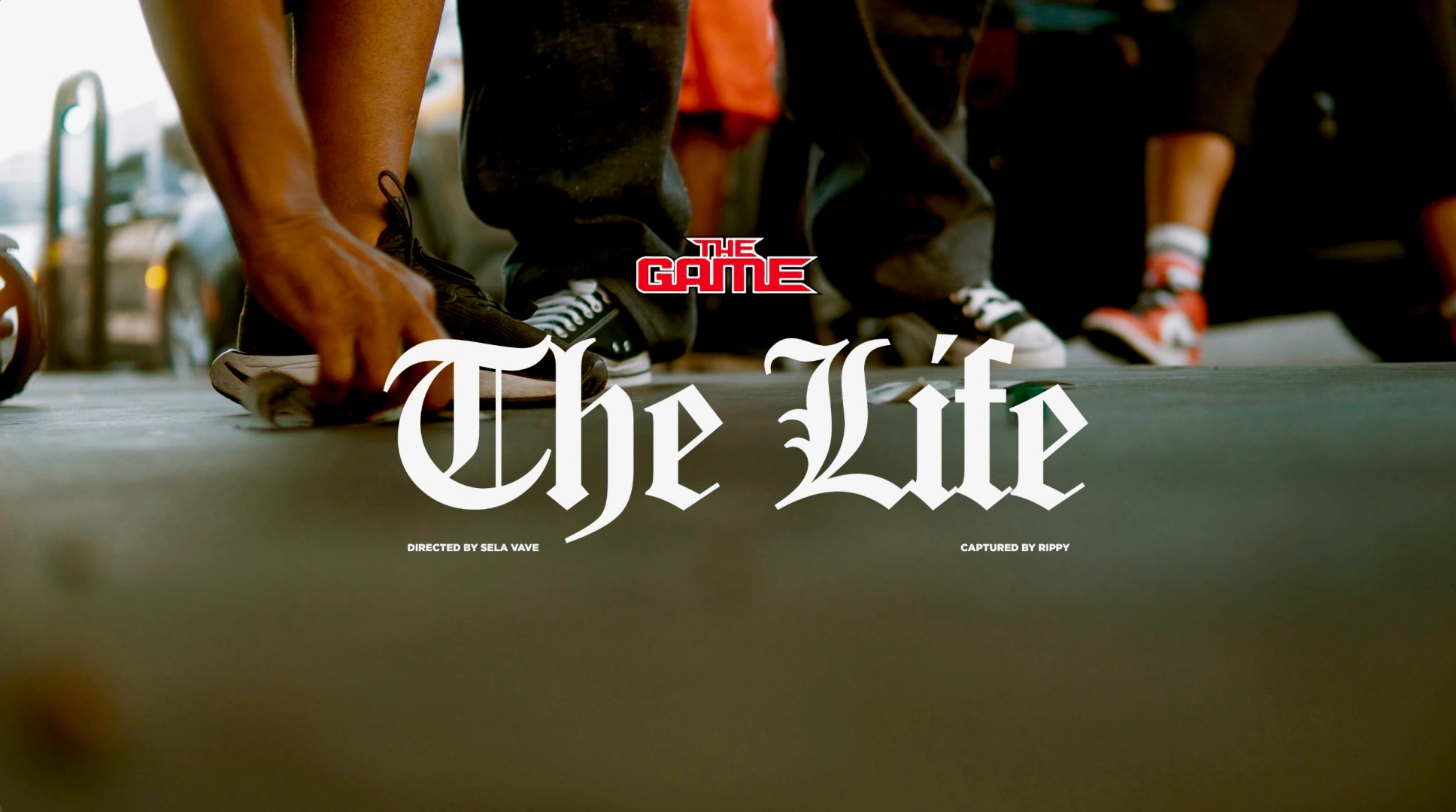
"The Life," released Thursday (Aug 27), gives the 24-track album a new visual centered on Downtown Los Angeles. Directed by Sela Veve, the video follows Game through neighborhood scenes that include a red Maybach, people gathering in the street and a dice game unfolding nearby.
The setting is familiar territory for Game, but the song choice is more revealing than the scenery. The Documentary 3 is loaded with marquee guests, including Drake, Kanye West, Snoop Dogg, Lil Wayne, Black Thought, PARTYNEXTDOOR and YG. Instead of opening this stage of the visual rollout with one of those names, Game puts a solo track in front and lets Los Angeles do the supporting work.
“The Life is me at my best. The everyday me. The me that I wish the world knew more of. My city, my daily life is all centered around the positivity I exude organically from the time I wake until the time I rest. There’s so much more to the person I am outside of the lights & I aim to give the world glimpses of who I am at my core with every new visual from this album.”
That description matches the video’s refusal to build itself around spectacle. Game moves through the city less like a visiting celebrity than someone trying to document routine: cars, conversation, street corners and people who do not appear to be there simply to make the frame look expensive. The Maybach is the obvious symbol of success, but Veve keeps returning to the neighborhood around it.
The timing also gives “The Life” a job beyond promoting another album track. When HitsCulture covered the surprise arrival of The Documentary 3 on Aug. 21, much of the immediate conversation had been swallowed by Drake’s appearance on “No Brakes” and speculation about whether several Game lyrics were aimed at Kendrick Lamar. Game’s manager and people around Kendrick pushed back on the diss interpretation, but the controversy still became the release-day headline.
“The Life” pulls in the opposite direction. There is no guest verse to decode and no rival rapper required to make the record interesting. The visual instead returns to the geographic argument Game has been making throughout this era: that his career, his catalog and this album are inseparable from Los Angeles.
That idea has been present from the beginning of the Documentary 3 rollout. The album artwork, photographed by Jonathan Mannion, placed Game beside a raised car on a Los Angeles street. Other promotional visuals have leaned on lowriders, neighborhood landmarks and South Los Angeles imagery. “The Life” makes that relationship less historical and more personal, presenting the city not simply as the place where his career began but as the daily environment he still wants attached to his name.
There is also something pointed about a veteran rapper with a feature-heavy album choosing ordinariness as the concept. Hip-hop legacy campaigns often arrive overloaded with archival references, famous collaborators and reminders of old chart positions. Game has all of that available to him. On “The Life,” he is more interested in being seen standing where he comes from.
The album arrived Aug. 21, 19 months after the anniversary date Game originally attached to the project, and includes 24 tracks. “The Life” appears fourth on the album.
The first week of The Documentary 3 proved how quickly another rapper’s name can become the story around a Game record. “The Life” does not argue with that attention. It simply changes the camera angle and puts Los Angeles, and Game himself, back in the frame.

Comments (0)
No comments yet — be the first to share your thoughts.
Leave a comment