

The Blueprint went back into print on Friday (Sept 11) as a cobalt two-disc pressing carrying the same thirteen songs it carried in 2001, and it landed on a release grid holding six new rap and R&B albums with 114 tracks between them. Jhéné Aiko's Westside Whimsy and EST Gee's Bigger Than the Devil each ran twenty, while Rio Da Yung OG's The World Is Yours ran twenty-two and Ro$ama's My Forte ran twenty. D-Block Europe and French Montana came in at nineteen. That left Unknown T's Listen. at thirteen as the only new album on the grid that matched the reissue sitting beside it.
None of those numbers are incidents of inspiration, and none of them are a matter of how much the artists had to say. The Billboard 200 converts streams into album units without capping how many songs from a single record may contribute to the total, which means the twenty-second track on an album counts exactly as much as the radio single. On January 17, 2026, that conversion got more generous to everyone shipping long.
Billboard lowered its streaming equivalencies that week, moving paid subscription streams from 1,250 per album unit to 1,000 and ad-supported streams from 3,750 to 2,500. The company framed the change as a response to streaming revenue and consumer behavior, saying the charts would "add more weight to on-demand streaming."
The numbers that sets a tracklist
Run the numbers the way a label runs it and the incentive stops being subtle. A listener who plays a thirteen-track album straight through delivers thirteen streams, and a listener who plays a twenty-two-track album straight through delivers twenty-two, so the longer record reaches a chart unit on roughly forty percent fewer complete listens. Under the January ratio, a paid stream travels twenty-five percent further toward a unit than the same stream traveled in December, so the reward for length grew without any label asking for it.
The rule does not reward quality, depth, sequencing or any other thing a rap fan argues about on a Friday afternoon. It rewards duration, and it rewards it directly, which is why rap album track counts on September 11 looked the way they looked. Our own roundup of that Friday logged the counts one album at a time without anybody planning a theme, and the theme showed up on its own.
Britain wrote the cap in 2015 and never took it out
The interesting part is that a chart does not have to work this way, and one major market decided it should not. When the Official Charts Company folded streaming into the UK albums chart in 2015, it built a ceiling directly into the formula: only the twelve most-streamed tracks from any album count toward its chart position, and the top two of those twelve are down-weighted to the average of the other ten.
The stated reasoning was about singles rather than bloat. A record carrying one enormous hit should not ride that hit to an album chart position, so the formula flattens the peak. The side effect is that a British album gains nothing from its thirteenth song onward, and a British label that adds nine tracks to reach twenty-two has added nine tracks that cannot move the chart at all.
The records built for the American formula keep getting longer without the trade press treating the connection as a story. That gap between two spreadsheets is the clearest evidence that album-equivalent units are a design choice rather than a law of physics.
Forty-one songs, and one of them got shorter after release
Young Thug and YSL surprise-dropped Slime Language 3 on August 28 with forty-one tracks split across two discs, twenty-one on the first and twenty on the second, running past two hours through YSL Records and Create Music Group. The guest list carries label signees including Yung Kayo, Unfoonk, BSlime and the late Lil Keed alongside Travis Scott, Future, Lil Baby, Veeze, Cash Cobain and Mariah the Scientist.
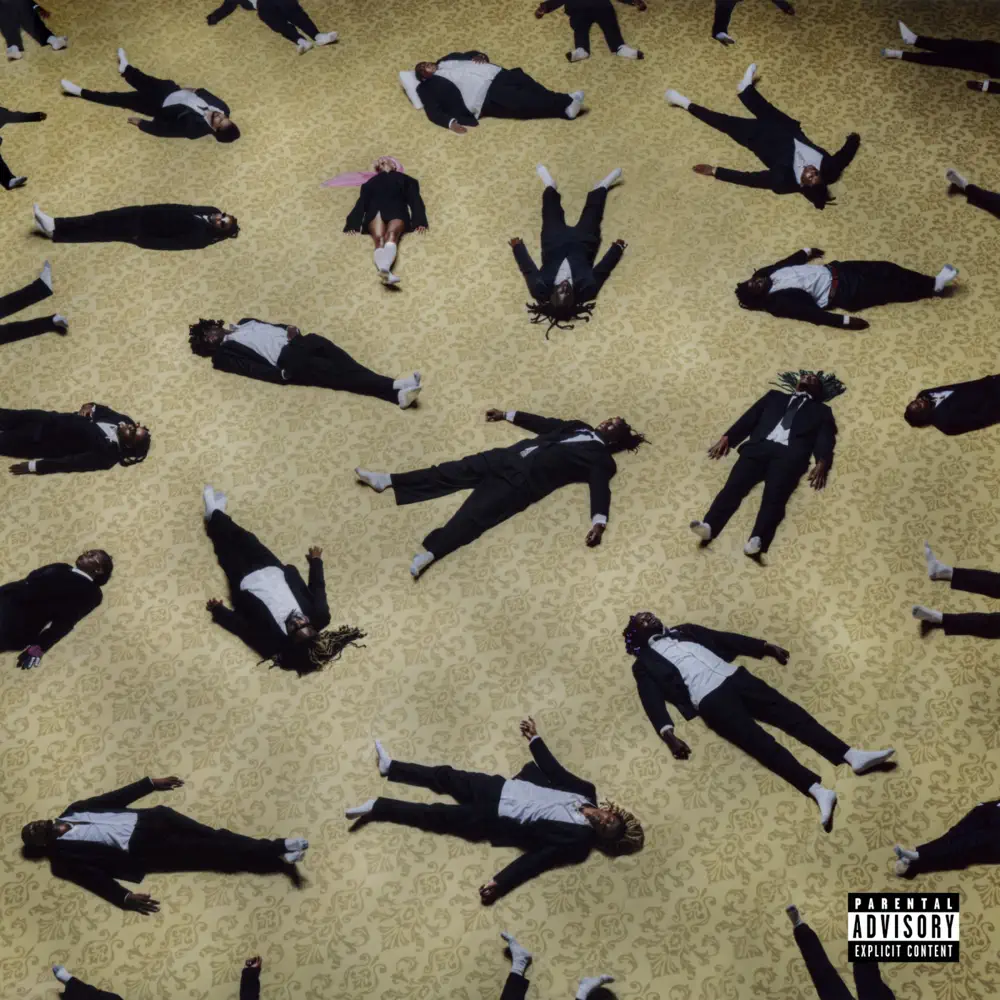
A roster compilation has always been a long format, and there is no scandal in a label putting its whole bench on one record. What happened after release is the part worth reading closely. The track "Eaters" was updated on streaming services to remove Yeat's original verse, which took the song from 4:21 down to 3:43, and the album kept its forty-one-track shape while one of its songs quietly lost thirty-eight seconds.
That is an album behaving like inventory rather than a finished statement, and listeners noticed the difference.
The case for the long one, made by somebody who made it on purpose
Not every oversized release is a chart maneuver, and the difference shows up in whether the artist built an architecture or simply stopped counting. E-40 shipped Turning My Money Over on the same August 28 Friday, forty songs arranged as four discs through Virgin Music with Heavy On The Grind, and he announced it in July as hip-hop's first quadruple album. "The greatest game spitter of all time is BACK!" he said in the announcement of the four-disc set.
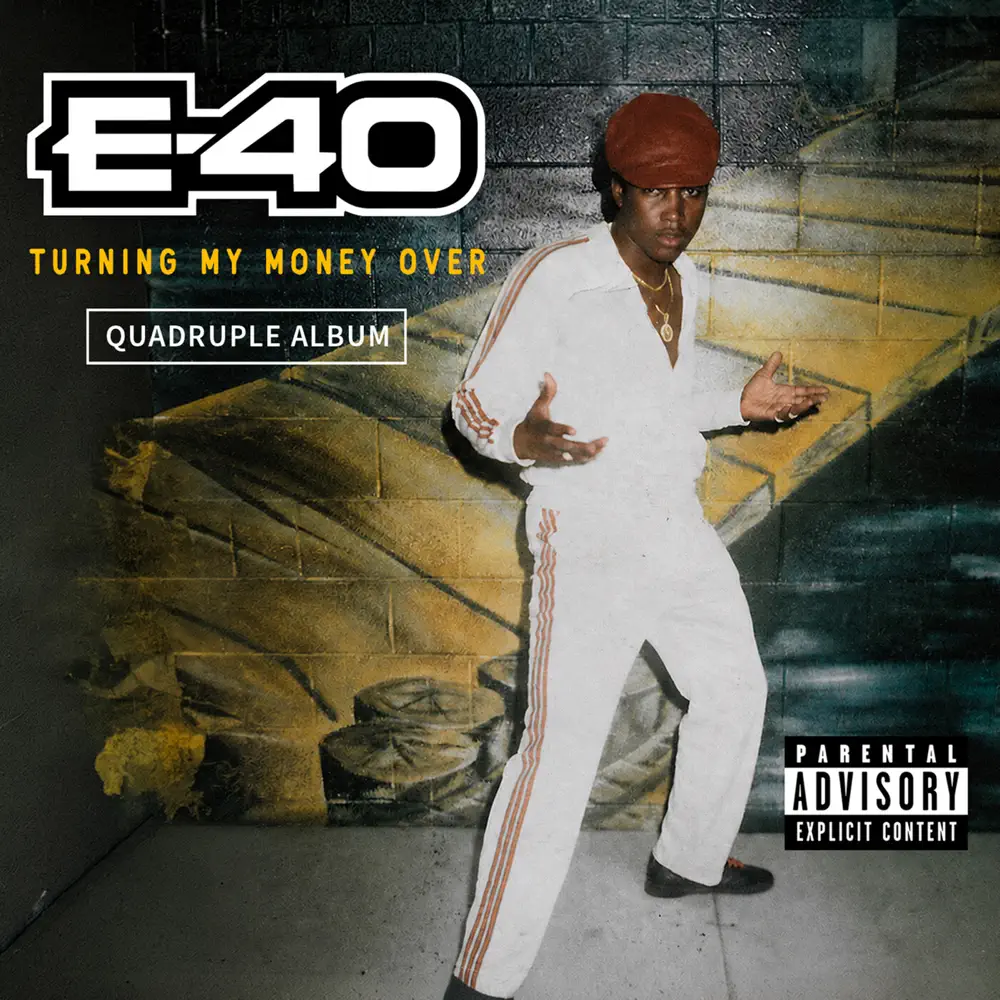
Forty songs from a rapper whose catalog has run past thirty albums is a format decision with a stated shape, and a listener who buys the premise knows what the four discs are for before pressing play. Compare that to a twenty-track album from an artist who has never released anything past sixteen, arriving in a week when four other albums also landed at twenty, and the pattern reads less like ambition than like compliance with a formula.
The precise version of the complaint is not that long albums are bad. Rio Da Yung OG at twenty-two tracks is a man who raps in volume by nature, and cutting him to twelve would be an editorial act performed on a style that does not want it. The complaint is that the chart cannot tell the difference, and once a formula pays the same for both, the artists who would have made a tight thirteen stop making one.

What thirteen songs still does
The record that went back into print on Friday is the debate. JAY-Z released The Blueprint on September 11, 2001 with thirteen tracks, and Get On Down pressed it again this month on cobalt vinyl because twenty-five years later people still want to own the whole thing rather than the two songs they remember. Our piece on the album's twenty-fifth anniversary covers what the record did on the day it arrived.
There is no reissue market for a forty-one-track compilation, and there will not be one in 2051. The physical format enforces the edit that streaming chart rules removed, and the records that survive into a second pressing tend to be the ones somebody cut down before release rather than after.
Billboard is not obligated to keep the American formula uncapped. The Official Charts Company demonstrated eleven years ago that a cap can be written, defended and left in place, and the twelve-track ceiling did not cause British albums to stop existing. Until somebody in Los Angeles or New York decides the same thing, the release grid will keep filling with twenty-track albums, the fourth quarter will keep producing them, and the next Friday will land with another hundred-odd songs on it.



Comments (0)
No comments yet — be the first to share your thoughts.
Leave a comment