

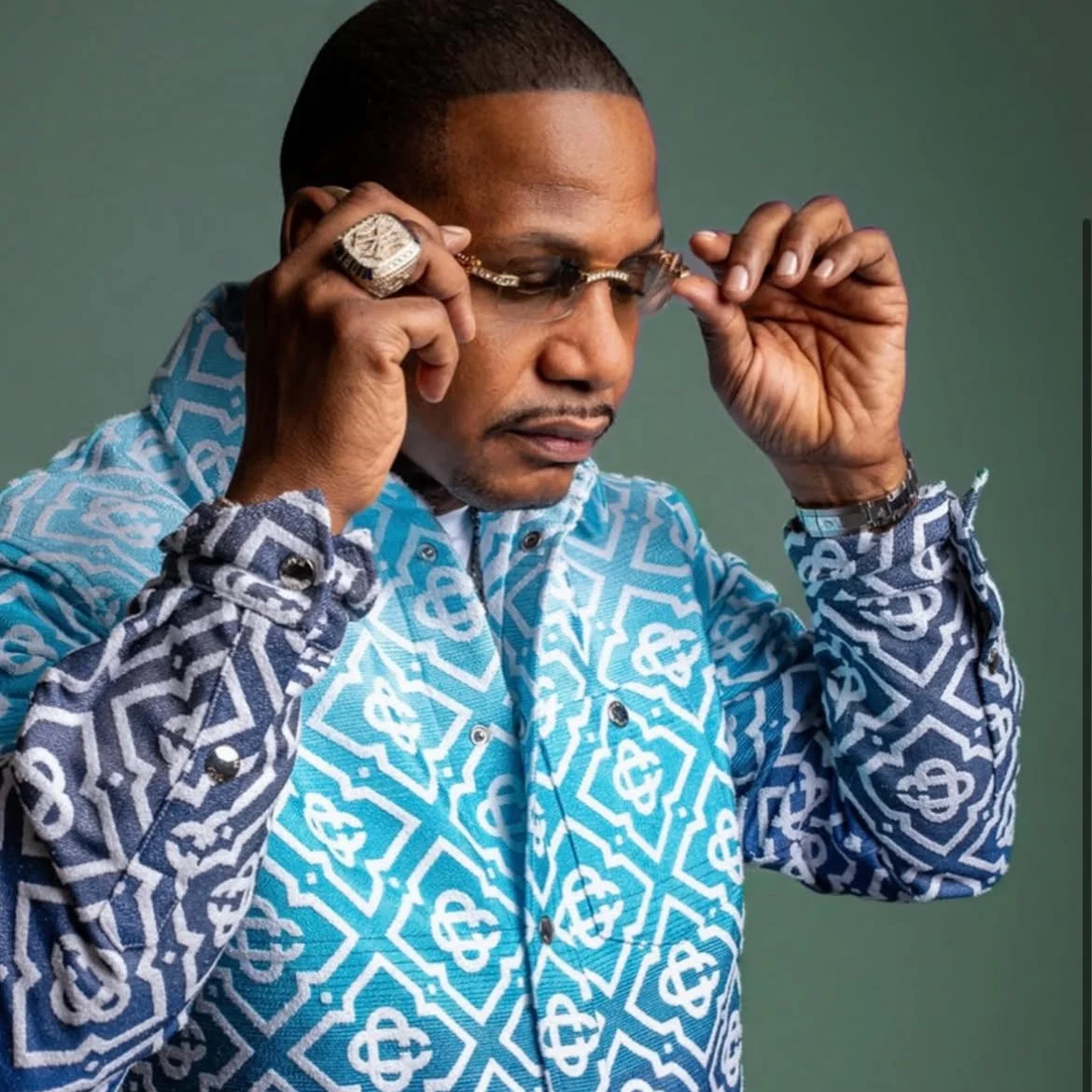
For three decades, AZ has carried a strange distinction in hip-hop: the man who delivered arguably the greatest guest verse in the genre's history, on "Life's a Bitch" off Nas's Illmatic, and then spent the next thirty years being called underrated for it. His project, 'Doe or Die,' went gold. The bars never stopped being sharp. The mainstream recognition never quite caught up to the respect he commanded from other rappers. So there is a certain poetry in what AZ just did. He is not waiting for the industry to recognize his value. He is trying to make sure artificial intelligence does the paying instead.
This week, AZ announced he has become a founding partner and part owner at PLMMarket, a platform built to make sure artists and experts get compensated when AI systems pull from their work. He is not just endorsing the company. He is the product's first flagship case study, and he is recruiting a hundred more artists, educators, and professionals to follow him in.
PLMMarket's pitch is built around what it calls Professional Language Models, individualized AI tools trained through retrieval augmented generation rather than open scraping. In plain terms, that means the system is designed to pull only from material an expert has explicitly registered and verified, then trace every generated answer back to that original source. AZ described his own model as a living, queryable asset built from his own words and experience, one where nothing gets repackaged without a paper trail leading back to him.
The money mechanics matter here, because they are the actual test of whether this is a real shift in creator rights or just a well produced press cycle. When a frontier AI system queries a registered expert's model and a royalty event triggers, the payout splits three ways: seventy percent to the person whose knowledge built the model, twenty percent to whoever hosts the underlying node, and ten percent to the platform itself. That is a meaningfully different arrangement than the flat, take it or leave it terms most creators have been offered by tech platforms up to now.
AZ was blunt about why he is doing this now. In announcing the partnership to his social following, he framed the decade of uncompensated AI training bluntly, then made his own position clear:
"I'm not just a client, I'm one of the owners."
Brad Jones, the founder of PLM Inc., described AZ's involvement as a validating moment for the platform's broader pitch to the creative community.
Hip-hop has been here before, just with a different villain. The genre spent the better part of the last decade fighting streaming platforms over artist compensation, arguing that pro rata payout models and fractions of a cent per play were never going to sustain a working musician's career. HitsCulture has covered why millions of streams still don't cover an artist's bills, and the maze of royalty collection points most working artists never learn to navigate. The AI fight is the same argument wearing a new face: a system built on an artist's output, generating value nobody asked permission to generate, with no clear mechanism for getting the artist paid.
What makes this moment different is who is picking the fight. AZ is not a chart topping act with leverage from ticket sales and brand deals. He is, by most industry accounts, one of the most technically gifted and commercially undervalued lyricists rap has produced. If AI royalties can work for an artist whose entire career has been defined by being underpaid relative to his talent, that is a real proof of concept. If they cannot, it says something uncomfortable about how much leverage any individual artist actually has against a frontier AI company's legal and financial resources.
None of this settles the actual fight, and HitsCulture is not going to pretend it does. A Professional Language Model only pays out when a frontier AI system chooses to query it, and nothing in this announcement compels OpenAI, Google, or Anthropic to use PLMMarket's registered experts instead of training on whatever is publicly available already. The platform is a mechanism for capturing value if the demand exists. It is not, on its own, proof that the demand will materialize at a scale that matters. There is also the matter of AZ's back catalog, three decades of interviews, verses, and public statements already absorbed into the training data of every large language model built before this partnership existed. Digital ownership going forward is one thing. Clawing back value from what has already been ingested is a different and much harder problem, one PLMMarket's structure does not appear to solve.
Still, the framing matters. AZ is positioning this as a matter of intellectual property, not charity or goodwill from tech companies. He wants a hundred more artists and experts standing behind him, and the industry's music industry gatekeepers, from labels to publishers to Recording Academy affiliated bodies, will be watching to see whether a working artist can actually extract structural payment from AI systems or whether this becomes one more well intentioned initiative that quietly fades once the press cycle ends.
AZ built his reputation on being early to a sound and criminally slow to get credit for it. His entire career arc is the argument for why hip-hop legacy and financial compensation do not automatically move together. That history is exactly what makes this moment worth watching closely rather than dismissing as a press release. If a founding artist partnership at a creator payments platform can move real money toward working musicians, it becomes a template other artists, from journeyman rappers to session vocalists to producers whose drum patterns get sampled by machine learning models, can point to. If it cannot, AZ will have spent thirty years being underrated by the industry only to become an early object lesson in being underrated by the machines that replaced it.
Comments (0)
No comments yet — be the first to share your thoughts.
Leave a comment