

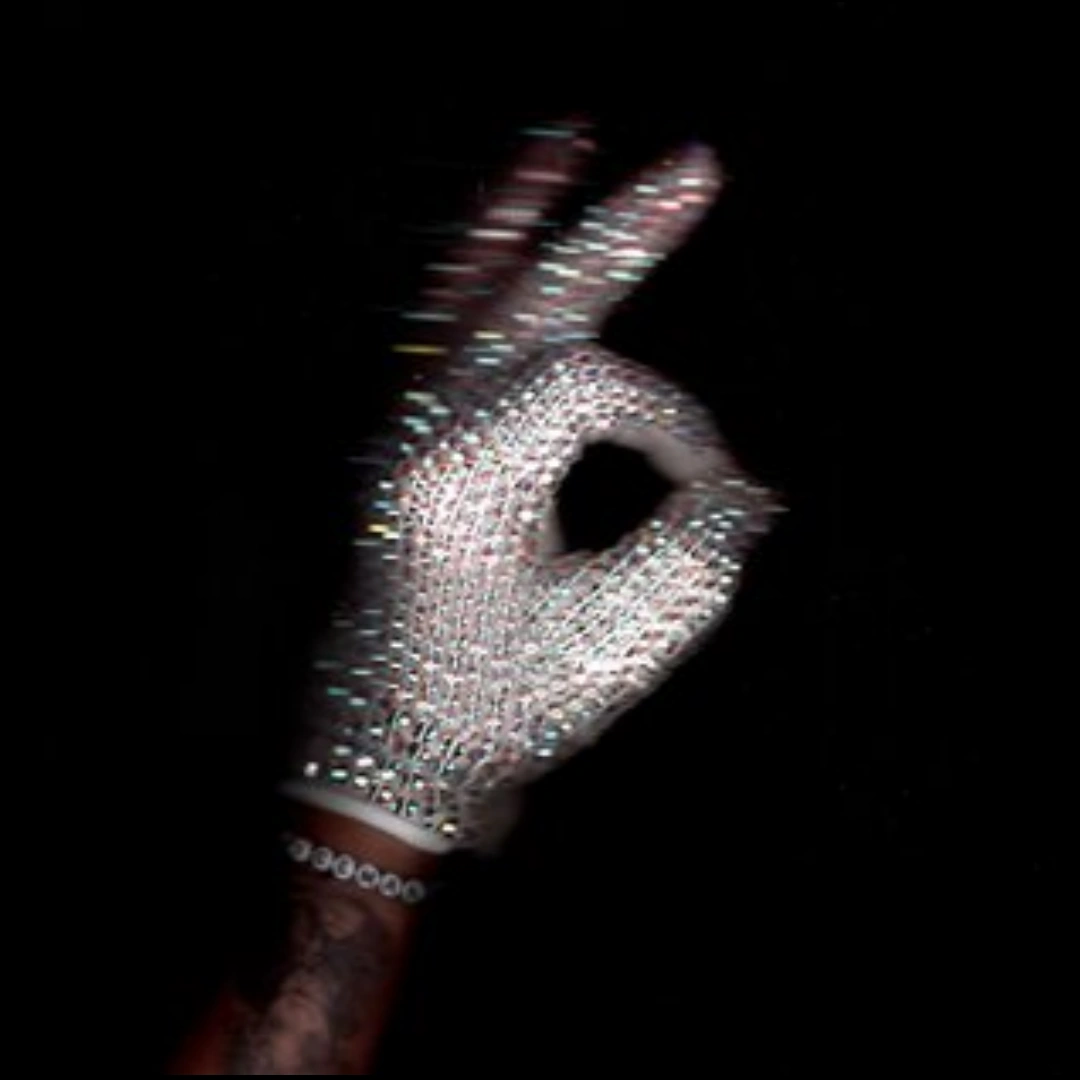
Drake did not just drop an album on May 15. He dropped a case file. Iceman, his ninth studio album, arrived alongside two surprise companion projects, Habibti and Maid of Honour, in a three-album midnight release that immediately sent the internet into full detective mode. Forty-three total tracks. Dozens of targets. And bars that require context, history, and a working knowledge of the last two years of hip-hop politics to fully decode.
This is your complete guide to what Drake is actually saying, who he is saying it to, and why every line matters.
Iceman arrives after the most turbulent period of Drake's career. The Kendrick Lamar feud of 2023-2024 did not just produce diss tracks. It reshuffled alliances across hip-hop in real time, forcing artists, executives, and longtime collaborators to quietly pick sides or publicly go silent. That silence, for Drake, appears to have been just as offensive as any direct opposition. Iceman is not just a response to Kendrick. It is a full accounting of everyone Drake believes showed their true colors during the storm, starting with the people closest to him.
The album opens with "Make Them Cry" and closes with "Make Them Know," a deliberate bookend structure that signals this project was built with intention, not just emotion. As Drake puts it on the opener: "I'm in the cut just loading rebuttals." Everything that follows is a rebuttal. Track by track. Name by name.
"Janice STFU" - The Kendrick Verses That Are Going to Live Forever
If there is one track on Iceman that fans and critics have spent the most time dissecting, it is "Janice STFU," and for good reason. The song is one of the most venomous cuts on the entire album, a direct extension of the energy Drake showed on the pre-album track "That's How I Feel" from his Iceman Episode 3 livestream, now fully produced and sharpened into something that sounds both personal and premeditated.
The Kendrick Lamar subliminals on this track are barely subliminal at all. Drake goes at Lamar's critical standing and his crossover appeal with bars that are going to generate debate for months: "White kids listen to you 'cause they feel some guilt and that's how your soul gets fulfilled / Handin' out turkeys on camera inside of your hood, then you go back to the hills / How many houses you build? How many souls did you heal off the back of your deal?" The argument Drake is making here is layered. He is questioning whether Lamar's philanthropic image is authentic or performed for optics, and whether his critical ascendancy is driven by genuine artistry or by a broader cultural guilt trip that benefits from Kendrick being positioned as the conscience of hip-hop.
Drake also takes aim at the streaming controversy that followed "Not Like Us": "Damn, who is this guy for real / I guess a magician / 100 million streams vanished, no one got questions." This is a direct reference to Drake's lawsuit against Universal Music Group and Spotify, in which he alleged that Kendrick's record-breaking stream counts were artificially inflated. The "magician" framing is both a dismissal and a legal argument set to music.
Finally: "And Muggsy Bogues dunked for once, even I'm a bit amazed." The Muggsy Bogues reference, pointing to the famously short NBA player who never dunked in a real game, is Drake's way of saying that Kendrick's "win" in the beef was a statistical anomaly rather than a reflection of who is actually the better artist.
"Ran To Atlanta" (feat. Future & Molly Santana) - The Reunion and the Receipts
"Ran To Atlanta" is the most talked-about feature moment on the entire project. Future's presence alongside the newly emerged Molly Santana marks a high-profile creative reunion and signals that Drake still has real pull in Atlanta despite years of the Kendrick camp positioning him as someone the South never truly claimed. The reunion carries weight simply by existing.
But the bars on this track are where things get interesting. Drake's verse on "Ran To Atlanta" is heavy on the scoreboard flexing: "N---s standin' ten toes on quicksand / If they could've been, they would've been but they can't / Embarrassment the only thing I'm getting secondhand." The "ten toes" line is a direct subversion of a phrase hip-hop uses to signal loyalty and conviction. Drake is saying that the people who stood firm against him were standing on a foundation that was already sinking, and the embarrassment they were projecting onto him was actually their own reflected back.
Molly Santana's contribution adds a vocal texture that offsets the competitive energy of the track, creating one of the more sonically interesting moments on the album. The Atlanta setting of the song is also not accidental. Returning to Future's home territory and making it work is Drake's way of showing he has not been exiled from a city that Kendrick's team tried to claim had rejected him.
"Make Them Pay" - The DJ Khaled Diss That Broke the Internet
If one lyric from Iceman generated the single largest wave of conversation, it was the passage directed at DJ Khaled on "Make Them Pay." The track opens with Drake establishing scale: "Dawg, I was Adin Ross with streams before Adin Ross had ever streamed," a claim that he shaped the internet attention economy before streaming culture even had a name for what he was doing.
Then comes the line that stopped everyone mid-listen: "And Khaled, you know what I mean / The beef was fully live, you went halal and got on your deen / And your people are still waitin' for a Free Palestine / But apparently everything isn't black and white and red and green, man / I'm seein' everyone's true colors, for real, I'm sensin' a theme."
The wordplay here is dense. "Halal" and "deen" are Islamic terms. Khaled, whose parents are Palestinian immigrants and who is Muslim, has faced years of public criticism for staying silent on the conflict in Gaza. Drake signed the Artists4Ceasefire open letter to President Biden in 2023 calling for an immediate ceasefire. Khaled did not. The colors "black, white, red and green" reference the Palestinian flag directly. Drake is not just accusing Khaled of going quiet during hip-hop's biggest beef. He is calling out what he sees as a deeper hypocrisy: that Khaled stayed silent on his own people's suffering while also staying silent when Drake needed support.
As of this writing, DJ Khaled has not publicly responded to the diss. His silence is, in itself, something fans are reading as evidence that the bars landed exactly where Drake intended.
"Whisper My Name" and "Dust" - The Quiet Kendrick Continuations
Not every Kendrick reference on Iceman comes with a flashing sign. "Whisper My Name" builds its Lamar commentary around a question Drake poses in the first verse: "Am I your GOAT?" He then quickly provides his own answer, but the framing forces listeners to sit with the premise. The beat on this track is among the most atmospheric on the album, and critics have singled it out as a moment where Drake's singing and rapping blend in a way that actually enhances rather than softens the competitive content.
On "Dust," Drake continues the lyrical deconstruction of Kendrick's legacy with: "What was the year you said you had slaps? 'Cause I don't remember it goin' like that, I don't remember one word of your raps." Billboard included "Dust" in its ranking of the album's best tracks precisely because the delivery is more bored than angry, which makes it cut differently. Drake is not performing outrage here. He is performing indifference, which lands harder.
"Make Them Remember" - LeBron, J. Cole, and the Arena Moment
"Make Them Remember" is the broadest target list on the album, taking shots at multiple figures in a single track. The LeBron James diss surfaces in the line: "I shouldn't even be shocked to see you in that arena / Because you always made your career off of switchin' teams up." The reference is to a viral moment during Kendrick's "Pop Out" concert at the Kia Forum in 2024, where LeBron was caught on camera dancing enthusiastically during "Not Like Us," the track that was aimed directly at Drake. Drake's reading of that moment as a career pattern of loyalty-shifting by LeBron is petty in the best possible way, the kind of bar that gets screenshot and debated regardless of where you stand.
There is also what appears to be a reference to J. Cole in the DNA bars: "I'm a real n---a, and he's not, it's in my DNA." Given that Cole publicly apologized for his diss track aimed at Kendrick during the beef period, widely seen as a capitulation that alienated some of his core fanbase, Drake reading Cole's DNA as fundamentally different from his own tracks with the ongoing theme of loyalty and who held firm when it mattered.
"2 Hard 4 The Radio" - The Mustard Callout Nobody Saw Coming
One of the more unexpected targets on Iceman is producer Mustard. On "2 Hard 4 The Radio," Drake raps: "Mustard heard about us, gotta catch up to the slaps / You ain't had one since me and YG rapped / Facts, nine-hundred million for the tracks, Rack City, b---h, we remember that, yeah, you should try and get back to that." This is Drake crediting himself as part of the foundation that built Mustard's biggest commercial moment, while also suggesting the producer's solo run without OVO support has not replicated that success. It is less a diss and more a reminder of the math, which in some ways is more pointed than a direct attack.
"Make Them Cry" - The Album's Mission Statement
Everything on Iceman flows from the opening track, and "Make Them Cry" deserves its place as the project's first impression. The track became the most-streamed song in a single day of 2026 on Spotify immediately after release, which is its own kind of statement. Drake's declaration that he is "loading rebuttals" in the cut signals that the rest of the album is not reactionary in the emotional sense. It is deliberate, prepared, and patient. That patience is what separates Iceman from a rage-drop. This is a calculated return, and every track placement was chosen with that in mind.
What Iceman Actually Proves
The easiest reading of Iceman is that Drake came back swinging and refused to let Kendrick have the last word. That reading is accurate but incomplete. What Iceman actually proves is that Drake as a lyricist is still capable of constructing multi-layered arguments inside individual bars, hiding legal references next to cultural critiques next to wordplay that takes three listens to fully unpack. Whether or not you think the arguments he is making are correct, the craft required to make them this efficiently across 18 tracks is undeniable.
The three-album strategy is also worth reading as a message in itself. Releasing Iceman, Habibti, and Maid of Honour simultaneously was not just a move designed to break streaming records, though it did. It was Drake demonstrating range at a moment when his critics had defined him as commercially motivated but artistically limited. One album for the bars. One for the R&B audience. One for the club. Three different arguments made simultaneously for why he is still operating at the highest level.
The internet detectives are going to be working through these tracks for weeks. That is by design. Drake has always understood that music which demands decoding stays in the conversation longer than music that reveals everything immediately. Iceman was built to be decoded. And every time someone finds a new layer, the algorithm rewards it, and the conversation starts again.
Listen to Iceman HERE!
Comments (0)
No comments yet — be the first to share your thoughts.
Leave a comment