

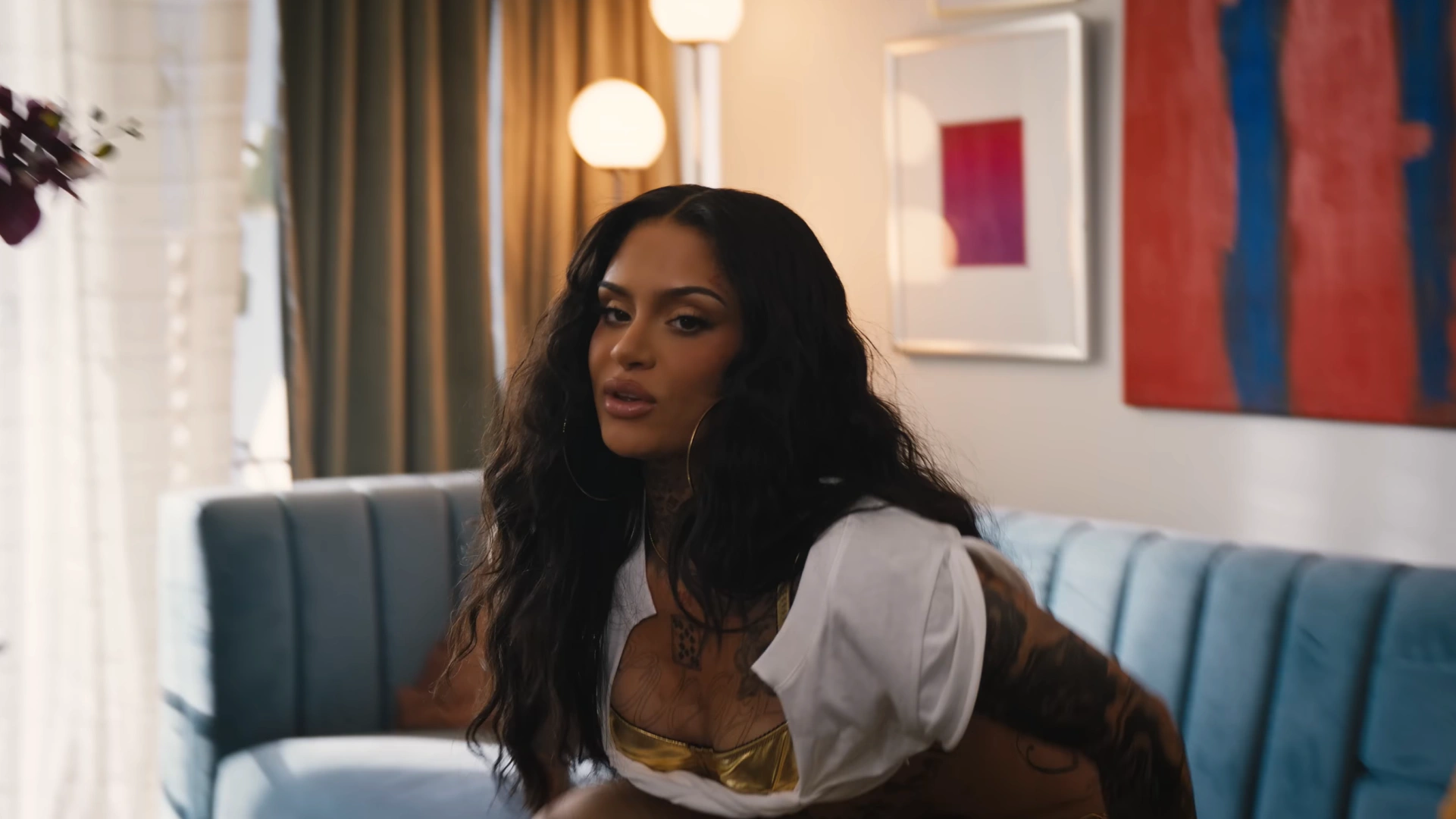
While hip-hop's biggest moments lately have been two titans trying to end each other, R&B's biggest moments have looked like a group hug. That is not an accident. It is a philosophy.
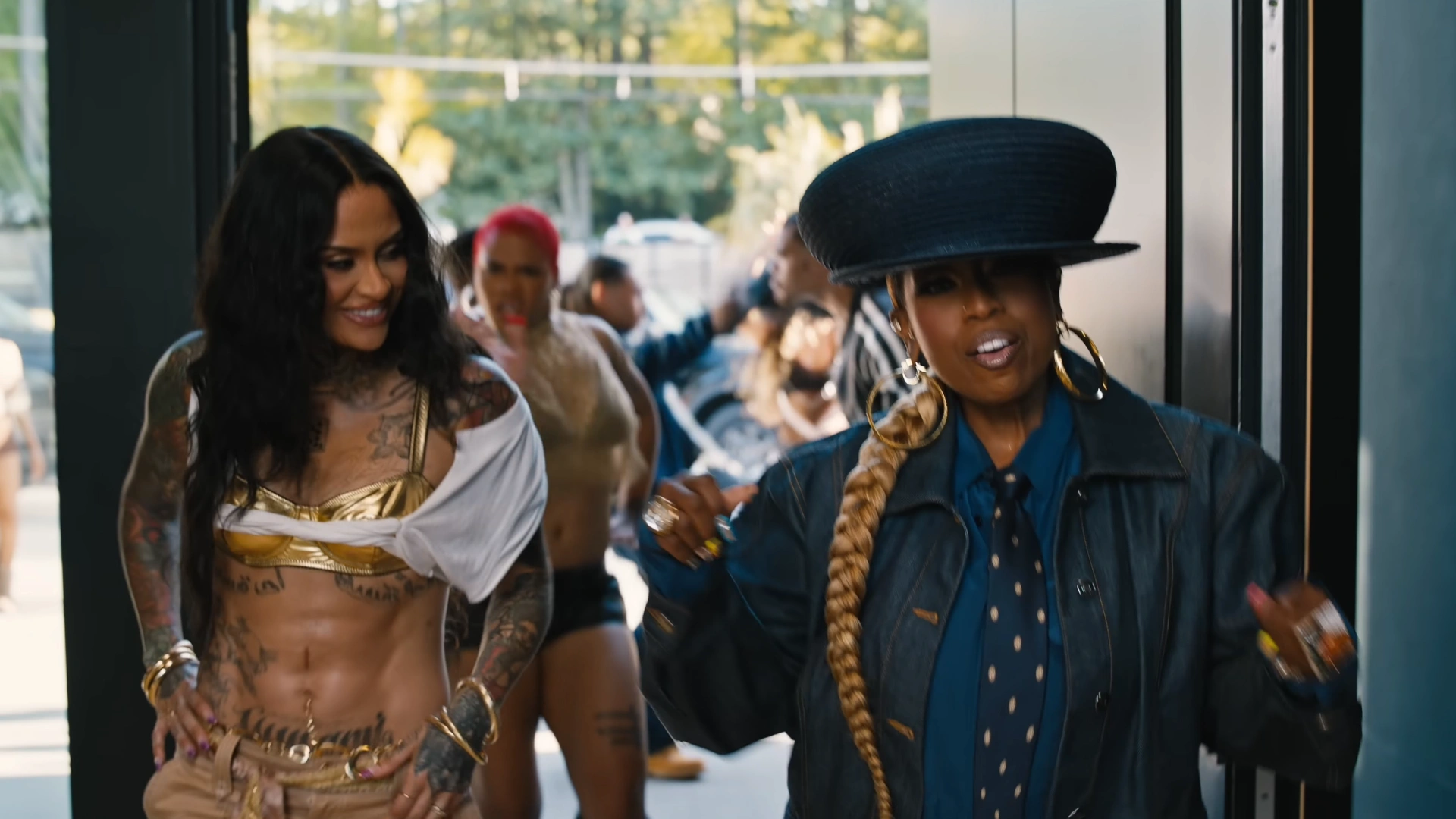
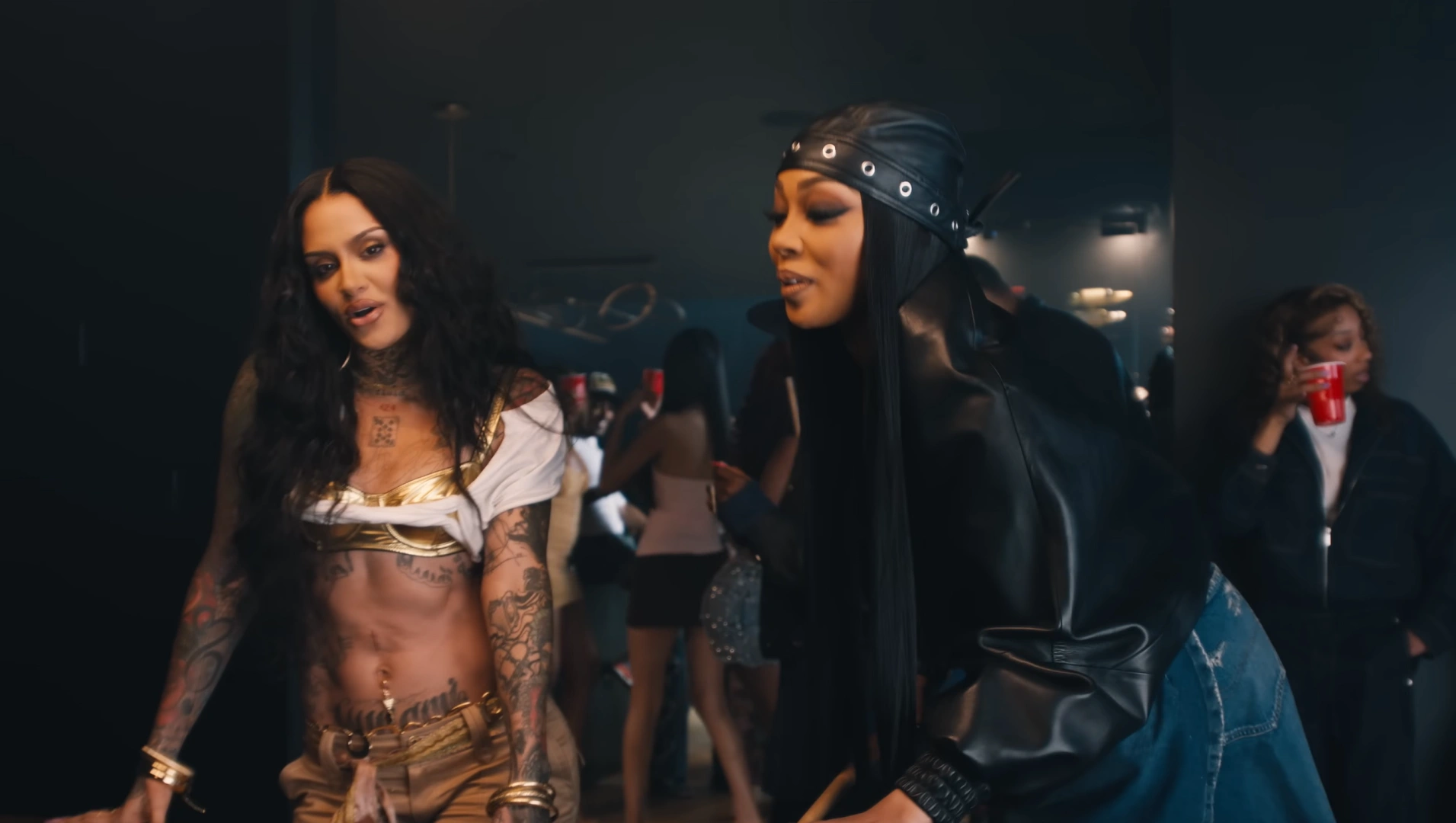
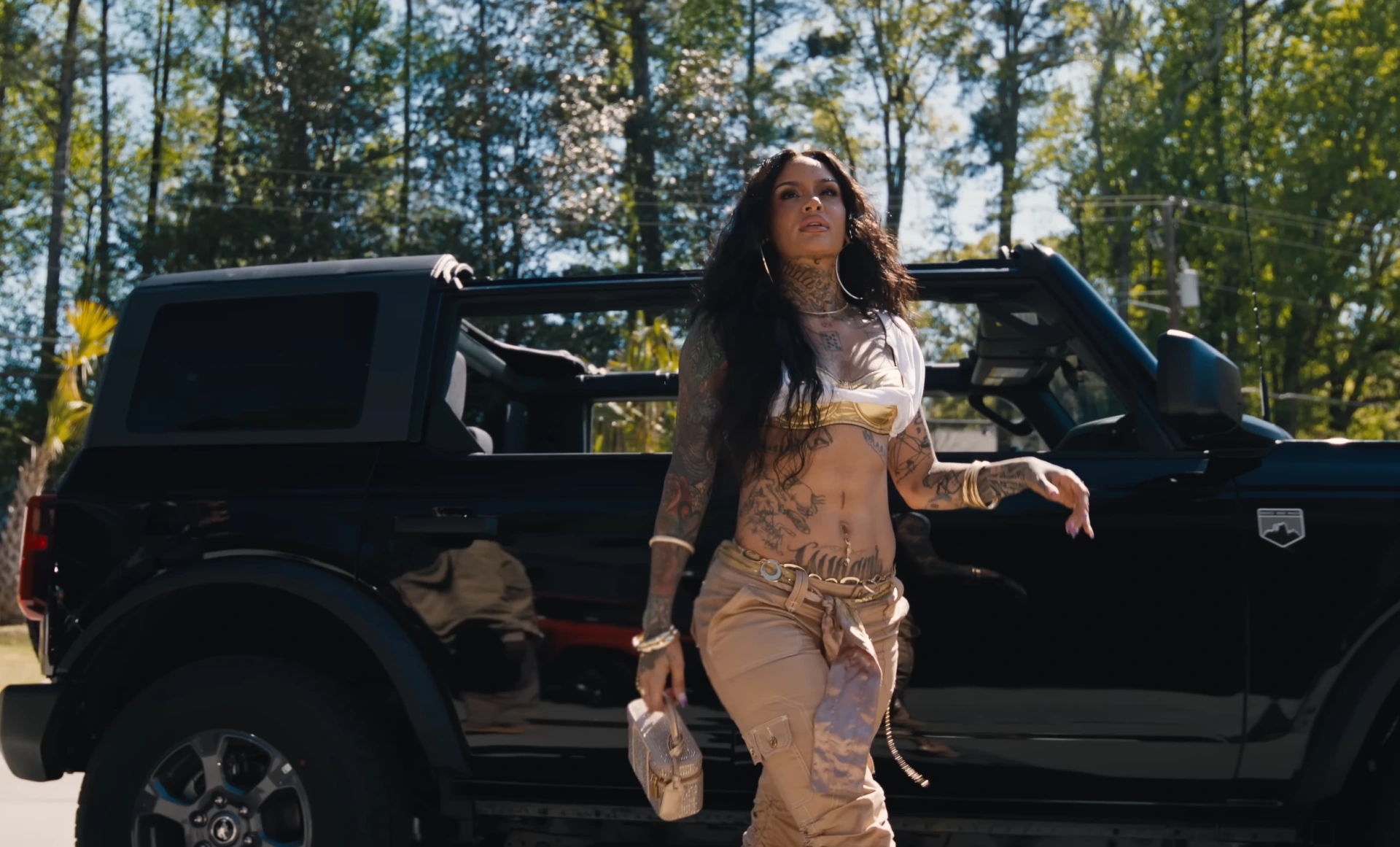
Press play on Kehlani's new "Back and Forth" video and you are watching something hip-hop almost never lets you see anymore. Three generations of R&B women share the same frame, and not one of them is trying to outshine the other. Kehlani throws the house party. Missy Elliott shows up in incredible denim, doing the jealous-partner bit she perfected decades ago. And then, as a surprise, Monica walks in like a visiting queen. Directed by Director X, the clip is a celebration that doubles as a thesis statement, and the thesis is simple. In R&B, the elders do not block the door. They hold it open.
Now rewind your memory to the defining hip-hop event of the last two years. It was not a posse cut or a passing of the torch. It was a scorched-earth rap battle between two of the genre's biggest stars, complete with diss records engineered to do maximum damage. Both genres are rooted in Black American genius. Both are fiercely competitive. So why does one keep producing love letters while the other keeps producing casualties? That question is the whole story.
The Kehlani record is not a one-off feature. It is the centerpiece of a project built entirely on homage. Her self-titled album, which debuted at No. 4 on the Billboard 200 with the biggest first week for an R&B album by a woman this year, plays like a thank-you note to the lineage that raised her. Lil Wayne opens the record. Brandy, the singer reverently called the Vocal Bible, takes a full verse on the Jam and Lewis-produced "I Need You." Usher duets with her on "Shoulda Never." And on "Back and Forth," Missy slides in a tribute to the late Aaliyah, rapping that the moment has her "feeling like Aaliyah," a reference that lands like a prayer given Missy and Aaliyah's history. The video itself nods to Aaliyah's classic "Try Again" visual. This is an artist who treats the people who came before her as scripture.
And the elders noticed. When the visual dropped, Monica went public with her pride, praising Kehlani's willingness to call her peers and to pay homage to the women who built the lane. Missy added that she and Monica go back more than two decades of friendship and family, then turned to Kehlani with the line that should be framed on a wall somewhere, "you understand homage & that is respected." A fan in the comments captured the bittersweet truth hanging over the whole thing, noting that Aaliyah would have been right there in that circle if the world had not lost her too soon. Nobody was competing. Everybody was building.
To understand why R&B moves like this, you have to understand where it comes from. R&B is the descendant of gospel, of the church choir, of harmony as a literal practice. Its highest art form is interpretation, the ability to take a standard and pour your own soul into it without erasing whose song it was. You prove your greatness in R&B by honoring a tradition well, by hitting a run that makes the congregation think of Whitney and Aretha at the same time. The measure of mastery is reverence.
Hip-hop grew from a different root. Its highest art form is the battle, the cypher, the willingness to step into a circle and prove you are the best by leaving no doubt. That competitive DNA is not a flaw. It is the engine that produced some of the most thrilling music ever made, and the genre's history of rivalries, from Kool Moe Dee and Busy Bee onward, is part of what gives it its edge. The problem is what happens when the sport curdles into something personal, when the art of the battle becomes the business of destruction. Lately the headlines have leaned hard toward the destruction.
Here is the fair caveat, because a real read of the culture demands one. Hip-hop collaborates constantly and mentors its young all the time, and R&B is not some conflict-free utopia. The very pairing at the heart of this story, Brandy and Monica, was sold to the public in the late 1990s as a bitter rivalry, a narrative the media manufactured around two teenagers who happened to share a number one record. So the difference is not that R&B never clashes. The difference is what the culture decides to do with the clash, and whether it lets the clash define the legacy.
Look at how the Brandy and Monica story actually resolved, because it is the perfect counterexample to the beef economy. That supposed feud became a celebrated 2020 Verzuz, then a 2025 co-headlining run called The Boy Is Mine Tour, the first time the two had ever shared a marquee. And crucially, they did not hoard the spotlight. They brought rising stars like Coco Jones, Muni Long, and Kelly Rowland on the road with them, deliberately using their platform to elevate the next class. The Essence cover that ran ahead of their Essence Festival sets put the ethos into words better than I can, with one panelist observing that artists who respect their craft respect lineage. That is the entire operating system of R&B collaboration in one sentence.
It keeps showing up everywhere you look. Ariana Grande reunited Brandy and Monica on her 2024 "the boy is mine" remix, which earned Monica a Grammy nomination a quarter century after her first. At Roots Picnic this year, Brandy brought Monica out during her own set, and Kehlani, who also performed, ran to the comments to celebrate Brandy rather than position against her. Brandy has now appeared on a remix of Kehlani's Grammy-winning "Folded" and again on "I Need You," drawing a clean line from her layered harmonies to the artists carrying that style forward. Beyoncé built Chloe x Halle. Veterans keep handing the mic down instead of guarding it. This is R&B lineage functioning exactly as designed, and it is the same generational handoff energy worth tracking across the wider live-music calendar, from these reunions to the stacked touring slate covered in our look at 2026's biggest tours.
Somewhere along the way, a lie took hold that celebrating your peers makes you look small, that praise is a sign you have already lost. R&B never bought that lie, and the genre is healthier for it. When Monica calls Kehlani to praise her, it does not diminish Monica. It confirms her as an elder secure enough to bless a successor. When Kehlani fills an album with the fingerprints of Aaliyah, Brandy, and Missy, it does not make her derivative. It makes her literate. In a streaming era that flattens everything into algorithmic sameness, knowing your history and honoring it out loud is the rarest flex there is.
This is the part the broader culture should sit with, because the same instinct that makes R&B beautiful also makes it durable. Genres that eat their elders lose their memory. Genres that honor them keep their soul. R&B has spent decades treating its tradition as something to expand rather than abandon, the same impulse driving its current crossover into new spaces, including the wave of soul voices reshaping the stage that we explored in our piece on the R&B to Broadway pipeline. And the through line connecting Aaliyah to Missy to Monica to Kehlani to whoever Coco Jones inspires next is exactly the kind of next-generation story we keep an eye on in our ongoing coverage of who is really next.
None of this is an argument against competition. The battle is sacred to hip-hop, and a great diss record can be a masterpiece. The argument is for what R&B has quietly modeled all along, which is that you can be hungry and generous at the same time, that lifting the person behind you does not cost you your own crown. Monica said it plainly in her own caption about being there for the new generation, that she will always be present where the love is. That is a posture, not a personality trait, and any genre can choose it.
The lesson reaches past music, too, into how any community decides to treat its veterans and its rookies. The instinct to show up for each other, to make room rather than make war, is the same one that holds families and neighborhoods together, the kind of mutual support that publications like Family Symposium spend their pages championing. R&B figured out something the rest of us are still learning. The point was never to be the only one standing. The point was to build something strong enough to outlast all of you, and to make sure the people coming up know exactly whose shoulders they are standing on. Kehlani understands homage. The question worth asking is why more of the culture does not.
Comments (0)
No comments yet — be the first to share your thoughts.
Leave a comment