

The rule on Spotify has always been simple for the people at the bottom. Get caught with fake streams and the platform yanks the song, freezes the money, sometimes wipes the account. Independent artists have watched it happen to friends over a few thousand suspicious plays. So the question a refiled lawsuit is forcing into the open is a fair one. What happens when the suspicious plays are counted in the hundreds of millions, and the name on the track is one of the biggest in the world?
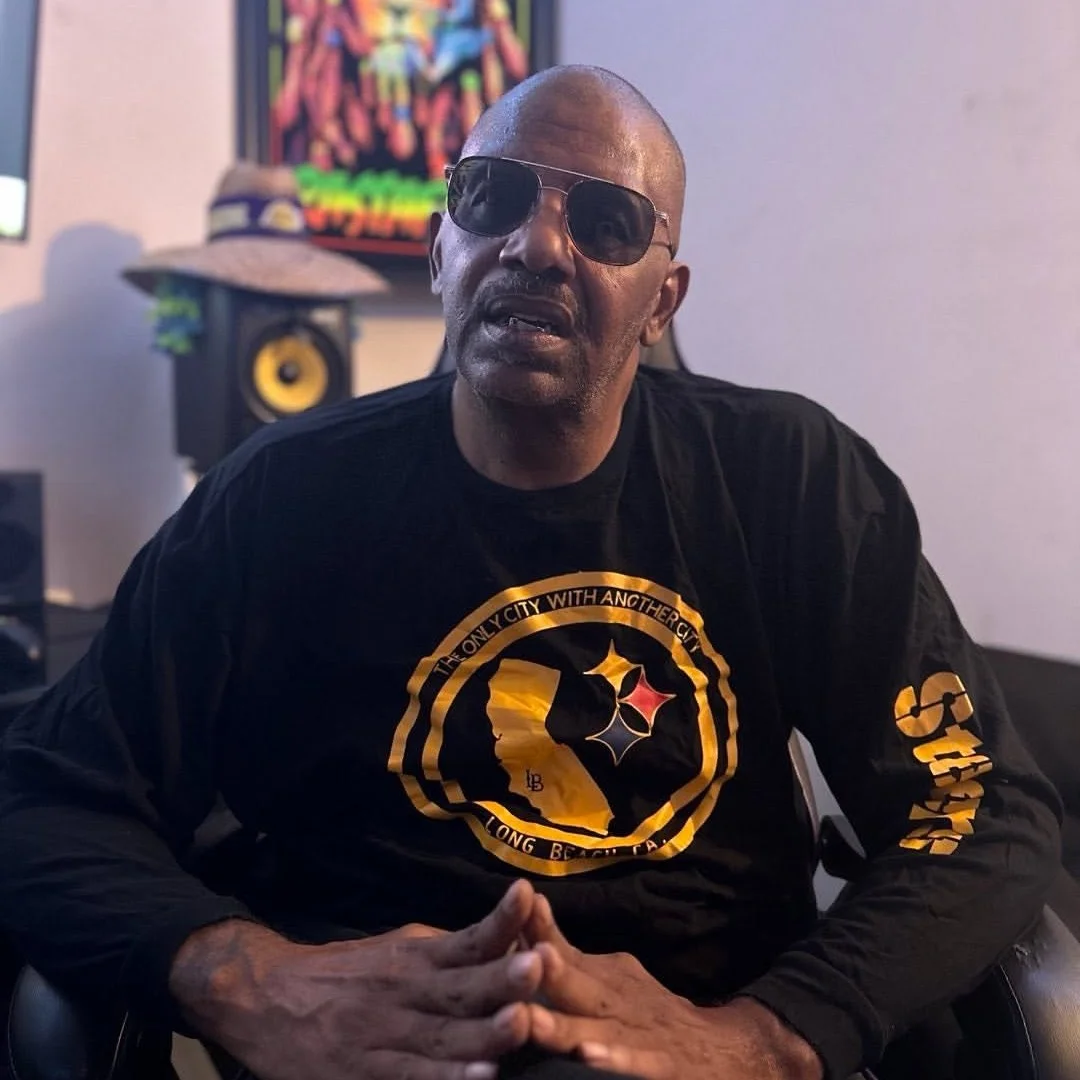
On July 28, the rapper RBX, born Eric Collins and known to a generation as the Narrator on Death Row records, refiled his case against Spotify, joined in reporting by Macy Gray as a fellow rights holder. A federal judge had dismissed the original in June. The amended lawsuit came back sharper, and its central charge is not that fraud exists on streaming. Everyone knows it does. The charge is that Spotify sees it, and looks away when the beneficiary is too big to touch.
The filing accuses Spotify of streaming fraud tolerance on a scale that reshapes who gets paid. It alleges the company diverted at least 600 million dollars in streaming royalties away from legitimate rights holders over a 48 month sampling window. That is the heart of it. Every dollar counted for a fraudulent stream is a dollar pulled out of the pool that pays everyone else, because streaming money is split from a shared pot. When phantom plays inflate one catalog, real artists quietly earn less.
The document points at specific patterns of bot streams it says any honest fraud system would flag on day one. In one example from 2024, roughly 250,000 streams of Drake's song "No Face" ran over a four day stretch. They originated in Turkey but were geomapped to the United Kingdom through coordinated VPN use, the kind of location laundering that exists for exactly one reason. The suit also describes accounts that, in its words, listened exclusively to Drake for 23 hours a day. No human listens that way. A server farm does.
Drake is the example, not the defendant, and the difference matters. The complaint references his roughly 37 billion streams and argues that a substantial, non trivial percentage came from fraudulent activity that Spotify had the tools to catch. HitsCulture has covered Drake's catalog closely, from the subliminal warfare buried across his album Iceman, and nothing here is a verdict on his music or a claim that he ordered a single bot. The allegation is aimed one level up, at the platform that reports the numbers and cashes the checks. RBX's lawyers put the thesis in one line. Spotify, they wrote, "does not apply its anti-fraud policies evenhandedly."
It helps to remember that streaming fraud is not some abstract fear the industry invented. Prosecutors have already sent a musician to prison for running a bot scheme that funneled millions in royalties, which means everyone in the business, Spotify included, knows exactly what the fingerprints look like. Coordinated accounts. Impossible listening hours. Traffic laundered across borders to dodge the filters. The RBX complaint argues that the platform recognizes those signals when it wants to and ignores them when the account is too valuable to interrupt. That is a heavier accusation than sloppy math. It is a claim about choice.
This is the part that should land for anyone who makes music without a major behind them. The economics of streaming fraud detection are not neutral. Aggressively policing a superstar catalog means potentially clawing back streams, revising chart positions, and picking a very public fight with a very powerful artist and label. Policing an unknown costs the platform nothing. The incentive structure practically writes itself, and the result is a two tier system where the same behavior draws a ban at the bottom and a shrug at the top.
Fan first advocacy is why HitsCulture exists, and artist advocacy means naming that imbalance out loud. We have written before about how the numbers on these platforms are engineered rather than earned, in our look at why the algorithm is not your friend. This lawsuit is that argument moved from opinion into a federal filing. Whether or not it triumphs, it drags the machinery into daylight, and daylight is the thing the machinery likes least.
The remedies tell you the case is about plumbing, not just payback. RBX is asking the court to force Spotify to adopt industry standard defenses, including CAPTCHAs and other friction that make automated play farms harder to run. He wants an independent monitor appointed to actually identify who was defrauded, rather than trusting the platform to grade its own homework. And he is seeking to certify a class action covering United States based rights holders from 2018 to the present, which would sweep in a huge number of working musicians who never knew their share was being thinned.
Spotify has not been shy in the past about defending the integrity of its counts, and the original dismissal shows the company has real legal footing. This is an allegation, not a finding. But the demand for streaming transparency is the through line, and it is a demand the culture has been making for years without a courtroom to make it in.
Where this leaves the culture
For independent artists, the case is a mirror. It confirms a suspicion many have carried since their first payout statement, that the pool they are fighting over may be partly drained by plays that never happened. That does not mean giving up on streaming. It means pushing, loudly, for a system that audits the powerful with the same energy it audits the powerless. We have tracked how the ground under this economy keeps moving in our reporting on the shrinking hip hop streaming share, and a fraud fight at this scale is part of the same reckoning.
There is also a hard truth worth stating for artists reading this and wondering what to do with it. A lawsuit is not a payout, and even a winning case can take years to move through a federal court. Nobody should reorganize their career around the hope that a settlement is coming. The value of the filing right now is informational. It puts detailed, specific allegations on the public record, it forces Spotify to answer them in a courtroom rather than a blog post, and it gives every artist a clearer picture of the pool they are competing inside. Knowing the game may be rigged is not the same as fixing it, but it is where any fix has to start.
RBX has been in the game since the early nineties. He has seen the industry rob artists in analog and now in code. His case may not survive, and even if it does, the money and the years it would take are their own kind of punishment. But he has done something a press release never could. He has put a number on the quiet theft, dragged a superstar's stream count into the record, and dared the biggest platform in music to prove it treats a legend and a nobody the same. The culture will be watching the docket.

Comments (0)
No comments yet — be the first to share your thoughts.
Leave a comment