

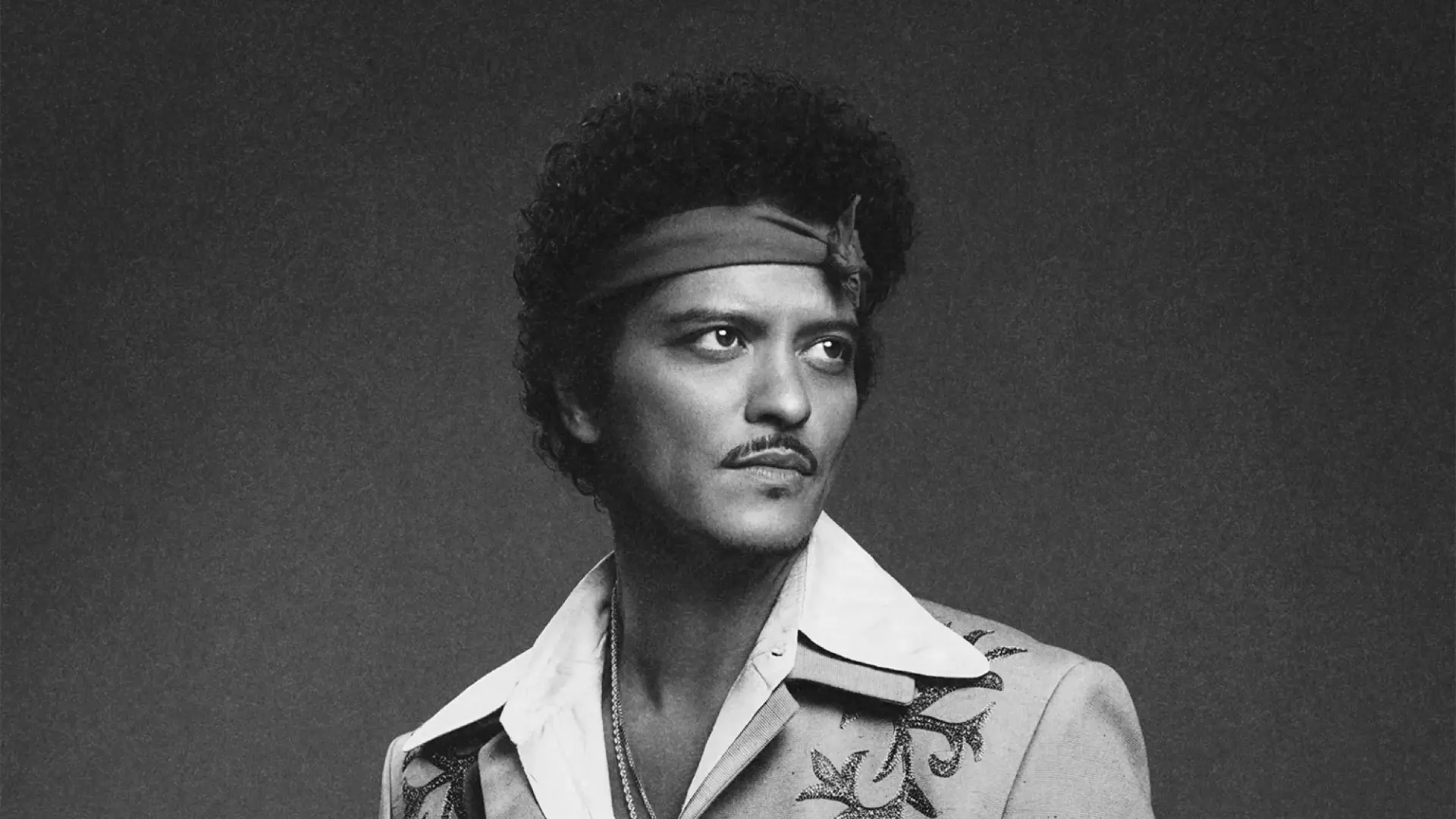
On March 18, Avex Music Group announced that it had signed Bruno Mars to a global publishing agreement, and the press release carried a detail most artists would skim past. The deal, in the release's words, "covers exclusive global publishing administration for music written during the term." That term does not begin until Mars finishes his current deal with BMG and Warner Chappell. Mars signed for songs he has not written yet, under a contract that waits for the last one to expire, and he handed over ownership of nothing.
That structure is the publishing administration deal, and it sits underneath far more of the rap and R&B business than its low profile suggests. Kendrick Lamar signed an exclusive worldwide administration agreement with Universal Music Publishing Group in October 2020. Top Dawg Entertainment founder Anthony "Top Dawg" Tiffith announced it by saying, "Kendrick and I are excited for our new partnership with Jody Gerson and UMPG." In July of this year, Primary Wave closed its purchase of Kobalt, the company most closely identified with the modern admin model, in a deal sources told Music Business Worldwide was worth around $1.5 billion.
The core distinction comes down to ownership versus labor. An administration deal rents out publishing operations for a fee and a fixed period, leaving your copyright fully intact. In contrast, co-publishing or full publishing deals purchase an ownership stake in the copyright itself, usually in exchange for an unrecouped advance.
What an Administrator Does, and What It Never Owns
Every song earns publishing money in two halves that the business calls the writer's share and the publisher's share. Performance royalties travel through a performing rights organization such as ASCAP or BMI, while mechanical royalties come from reproductions and on-demand streams. Each country collects both through its own societies on its own schedule. An administrator files the registrations in every territory it reaches, matches incoming money to the right works and sends the writer one consolidated statement.
ASCAP's long-running primer on publisher agreements, written by the attorneys Todd and Jeff Brabec, places the typical administration fee between 10 and 25 percent of income earned during the term. The terms themselves run for a defined stretch, such as three or five years. Covering administration, co-publishing and every arrangement short of a sale, the ASCAP guide to songwriter and publisher agreements lands on a line every artist should keep on the desk: "None of these actually transfers copyright ownership."
Songtrust, one of the most widely used self-serve admin platforms, tells clients in its help pages that they keep full ownership of their publishing for the length of the agreement. That ownership is what Mars kept in March. It is also the asset that gives an artist leverage later, whether the eventual move is a catalog sale like the one T-Pain made with HarbourView or a reversion decades from now.
Three Deals, Three Prices for the Same Song
A co-publishing deal is where ownership starts to move. Under the structure ASCAP describes, the writer keeps the full writer's share and also receives a portion of the publisher's share, usually half. In return, the publisher takes a co-ownership stake in the copyrights. Songtrust's explainer on deal types puts the co-publisher's cut at 50 percent of the publisher's share and notes that any advance must be recouped in full before royalties reach the writer.
A full or exclusive publishing deal goes further, with the writer assigning every composition written during a set term to the publisher. Federal copyright law counts an assignment or an exclusive license as a transfer of ownership under 17 U.S.C. 101. Section 204 makes that transfer valid only when it is in writing and signed, which is why the agreement's language outweighs anything said in the meeting. Getting those rights back later runs through the 35-year termination window that locked Salt-N-Pepa out with one sentence from 1986.
The trade is real money against real ownership. A co-publishing advance can fund a year of studio time, and a writer with a hit on the board may command one large enough to justify the stake. A developing artist with no advance on the table gives up nothing by choosing administration, because the only thing being sold is a service.
Reading the Fee Line
Performance and mechanical are often priced differently
The headline percentage is rarely one number. Songtrust charges a one-time $100 registration fee and takes 15 percent of the performance royalties it collects. Since January 1, 2025, it has taken 20 percent of non-performance income, which means worldwide mechanicals. Sentric advertises a flat 80/20 split in the writer's favor on a 28-day rolling contract. Kobalt's KOSIGN product, launched in February 2025, promises that writers keep all of their copyrights on a rolling term they can leave at any time, though its launch page publishes no fee rate.
At source versus receipts
The second number that matters is where the percentage gets calculated. Songtrust's help center walks through the arithmetic with $100 earned in France. On an at-source deal paying the writer 75 percent, the writer collects $75. On a receipts deal, the local sub-publisher takes its cut first, and the writer's 75 percent applies only to what travels home, landing at $56.25. A rapper with real streaming in the United Kingdom, Nigeria or France should ask for at-source terms in writing, since that gap repeats every quarter on every foreign stream.
Term, Post-Term and the Year After You Leave
Admin contracts run shorter than publishing deals, and the platform terms are public. Songtrust sets a one-year minimum term and keeps collecting for a year after a writer cancels, because foreign societies can take that long to pay for earlier streams. It then issues a Letter of Relinquishment so the next administrator can take over. TuneCore Publishing Administration starts with a one-year agreement that renews quarterly afterward and requires cancellation notice at least 45 days before a quarter ends. It keeps collecting income earned during the term for 12 months after termination.
That post-term window is the clause to negotiate hardest with any larger administrator. A long collection tail means money from songs written under one deal keeps flowing through it well after the writer has moved on. Mars's sequencing shows the opposite discipline, with the new administrator starting only once the old deal completes, so no song is claimed by two companies at the same time.
Sync, YouTube and the Extras Worth Pricing
Most admin platforms now bundle services that used to come only with a full publisher, and each carries its own rate. Songtrust does not take exclusive sync rights, so writers stay free to license their songs to film and television themselves. It charges its standard 15 percent on upfront fees only when it negotiates the license. Sentric splits publishing-side sync it procures 50/50 and keeps 15 percent of placements the writer brings in, so the same placement can cost more than three times as much depending on who found it.
YouTube is where artists most often confuse the two halves of their rights. Songtrust states that it can monetize only the composition through Content ID. A writer who owns the sound recording needs a distributor, label or other third party to collect on the master. The same split holds for SoundExchange, which collects digital performance royalties for recordings and says it does not currently collect for songwriters or publishers.
When Self-Administration Is Enough
Plenty of independent writers never need an administrator at all. The Mechanical Licensing Collective treats a writer who acts as publisher of their own works as self-administered, and membership is free. A rapper releasing through a distributor can register directly and collect U.S. digital audio mechanicals without paying anyone a percentage. BMI tells new members they do not need a separate publishing company to start, and it is blunt about the myth: "Creating a publishing company will not mean that you receive more royalties."
The catch is registration discipline. Unregistered and unmatched works are the money The MLC will begin distributing by market share in April, a shift laid out in our deep dive on unclaimed mechanical royalties. That pool flows toward the largest catalogs, so a self-administered writer who never registers splits ends up funding someone else's statement.
The Sequence for an Independent Writer
The practical order runs from cheapest to most binding. Affiliate with a PRO as a writer, register every song and its splits with The MLC, and confirm your distributor and SoundExchange cover the master side before paying anyone a fee. Once foreign streams or sync interest start showing up on statements, an administrator charging 15 to 20 percent becomes worth the money. Before signing, settle the fee on each income type, at-source or receipts accounting, the minimum term, the post-term collection period and whether sync rights are exclusive.
A co-publishing or full deal belongs at the end of that sequence, when an advance is large enough to change what you can make and a lawyer is reading the assignment language. Lamar reached that point with a catalog that already carried leverage, and he chose administration. Mars has an Avex deal on paper that cannot start until his BMG and Warner Chappell deal ends.
Comments (0)
No comments yet — be the first to share your thoughts.
Leave a comment