

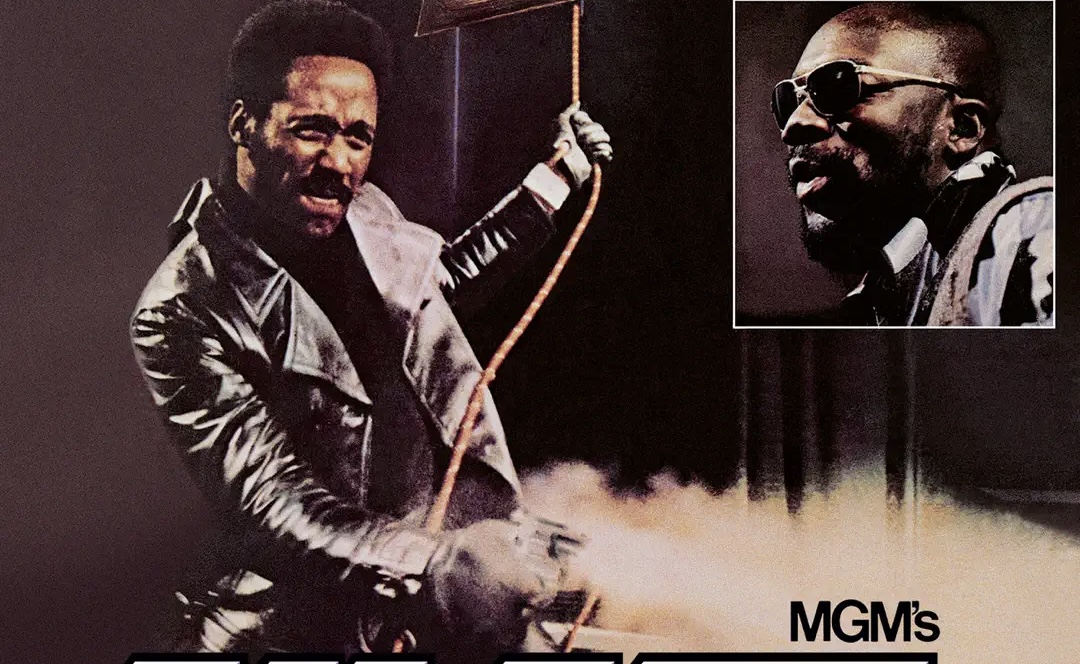
A sample clearance dispute can begin with a simple creative decision: a producer samples a Memphis soul recording, builds four bars around its horn line, and sends the track to a clearance lawyer. The lawyer’s first question is often historical rather than musical: which side of 1968 owned the original recording?
For Stax Records, two tracks recorded in the same converted movie theater on McLemore Avenue, featuring many of the same musicians and captured on the same eight-track equipment, may now belong to different rights holders. Clearing one track does not authorize use of the other. The split has complicated licensing since the CD era, and on September 1, the catalog changed hands again.
Bertelsmann closed its merger of BMG and Concord with Bertelsmann holding roughly 67 percent of the combined company and affiliates of Great Mountain Partners holding roughly 33 percent after a one time cash payment of $1.16 billion, according to Music Business Worldwide. Bob Valentine runs it as chief executive, Thomas Coesfeld chairs it, the global headquarters sits in Nashville and the European one in Berlin, and the catalog it now administers runs past four million works.
Somewhere inside those four million sits half of Stax Records that Stax got to keep.
Jim Stewart and Jerry Wexler started doing business in 1960, and for years the arrangement worked the way handshakes work when both parties are winning. Stax supplied the room, the rhythm section and the records. Atlantic supplied national distribution. In 1965 the two companies formalized it in writing, and Stewart, by his own later account, signed the contract without reading it.
Atlantic's attorney Paul Marshall had written into it a grant of all right, title and interest, including any rights of reproduction, in every Stax recording Atlantic distributed between 1960 and 1967. The language sat in the body of a distribution agreement, which is not where a label owner goes looking for a transfer of ownership, and it did not distinguish between the Stax imprint, the Volt imprint or anything else the company sent north.
Warner Bros. Seven Arts bought Atlantic in 1967, and the sale tripped a key man clause tied to Wexler that required the distribution deal to be renegotiated. Stewart went into that renegotiation asking either to be included in the buyout or to have his master recordings returned. He came out of it learning that the masters had not been his since 1965. On May 13, 1968 he sold Stax to Paramount Pictures, then part of Gulf and Western, and walked away from the Atlantic relationship with the studio, the staff and the artists, and with almost none of the records those people had already made.
Stax had a new distribution deal, a building full of musicians and no back catalog, so in 1969 Al Bell ordered the company to manufacture one, releasing 27 albums and 30 singles in a single coordinated push. A label that had lost a decade of its history in one meeting replaced it in one summer.
The second Stax was a different company, and louder about it. Isaac Hayes cut Theme from Shaft for the Enterprise imprint in 1971, took it to number one on the Hot 100 for two weeks, won two Grammys at the 14th Annual Grammy Awards, and then won the Academy Award for Best Original Song in 1972, the first African American to take an Oscar in any category outside acting. Every one of those records belongs to the second catalog, the one Stax still owned.
It did not save the company. Stax went into involuntary bankruptcy on December 19, 1975 and closed on January 12, 1976, and in 1977 Fantasy Records bought the post 1968 catalog out of the wreckage. Concord bought Fantasy in 2004, inheriting Prestige, Milestone, Riverside, Specialty and the post-1968 Stax catalog in a single transaction, which is how a soul label from Memphis ended up inside a company that most people knew for jazz reissues.
Run two canonical rap records against each other and the line becomes audible. Jay-Z and Kanye West built Otis on Otis Redding's "Try a Little Tenderness", a Volt single from November 1966, and the finished song reached number 12 on the Hot 100 and won Best Rap Performance at the 54th Grammy Awards in 2012. That Redding master sits on the Atlantic side of the line, which today means Warner Music Group, with Rhino handling the reissues.
Big Daddy Kane built Ain't No Half-Steppin' on "Blind Alley" by The Emotions, from the 1971 Volt album Untouched, five years later and five doors down the same discography. That one sits on the Concord side, and as of September 1 it answers to the company Valentine runs.
The clearest evidence that the division is real, rather than a piece of collector trivia, is that the two owners have had to cooperate in public. On April 2, 2019 Concord and Rhino announced a joint campaign for the label's 60th anniversary, covering vinyl reissues, hi resolution remasters, a three CD anniversary set and a volume of the complete singles series, because neither company could tell the whole story alone. Mark Pinkus, president of Rhino Entertainment, called the Stax catalog "some of the greatest and most culturally significant albums and singles of all time." Sig Sigworth, then chief catalog officer at Concord Bicycle Music, said Stax "has a great history of bringing people together, songwriters, musicians, singers and fans from around the world." Stewart, who was 88 that spring, called the campaign "long-overdue and a good omen for the unending popularity of the very best of Memphis Soul music."
What September 1 Actually Changed
The merger arrives with two competing descriptions of itself. Variety dubbed the combination as the world's fourth major music company. BMG's own announcement called it the world's leading independent music company. Both descriptions are being applied to the same balance sheet, which is targeting revenue above $2.5 billion at $1.2 billion in EBITDA in the midterm, and the gap between them is the whole argument about what consolidation does to catalogs like this one.
Coesfeld, in the closing announcement, said the transaction "marks the beginning of a new chapter for BMG, creating a business with the scale and resources equipped for the future." Scale is exactly what changes for the Memphis half. A soul catalog administered inside a four million work portfolio competes for attention against everything else in that portfolio, and the people who notice first are the ones who need a specific answer about a specific 1971 master.
None of this is unusual anymore. Black catalog has spent the last two years moving through licensing arguments, ad placements and estate courtrooms, and the fight over how that catalog gets licensed into retail advertising ran on the same logic, with the artists furthest from the paperwork learning about the deal last. The four year fight over who controlled DMX's name turned on a clause too. Stax is the older version of that story, and the more instructive one, because the damage was done in a sentence that promised distribution and delivered ownership.
Jim Stewart died in December 2022. The building on McLemore Avenue was demolished in 1989 and rebuilt as a museum in 2003. The masters cut inside it are still filed on both sides of a line drawn by a contract he signed in 1965, and on September 1 one of those files changed hands again.


Comments (0)
No comments yet — be the first to share your thoughts.
Leave a comment