

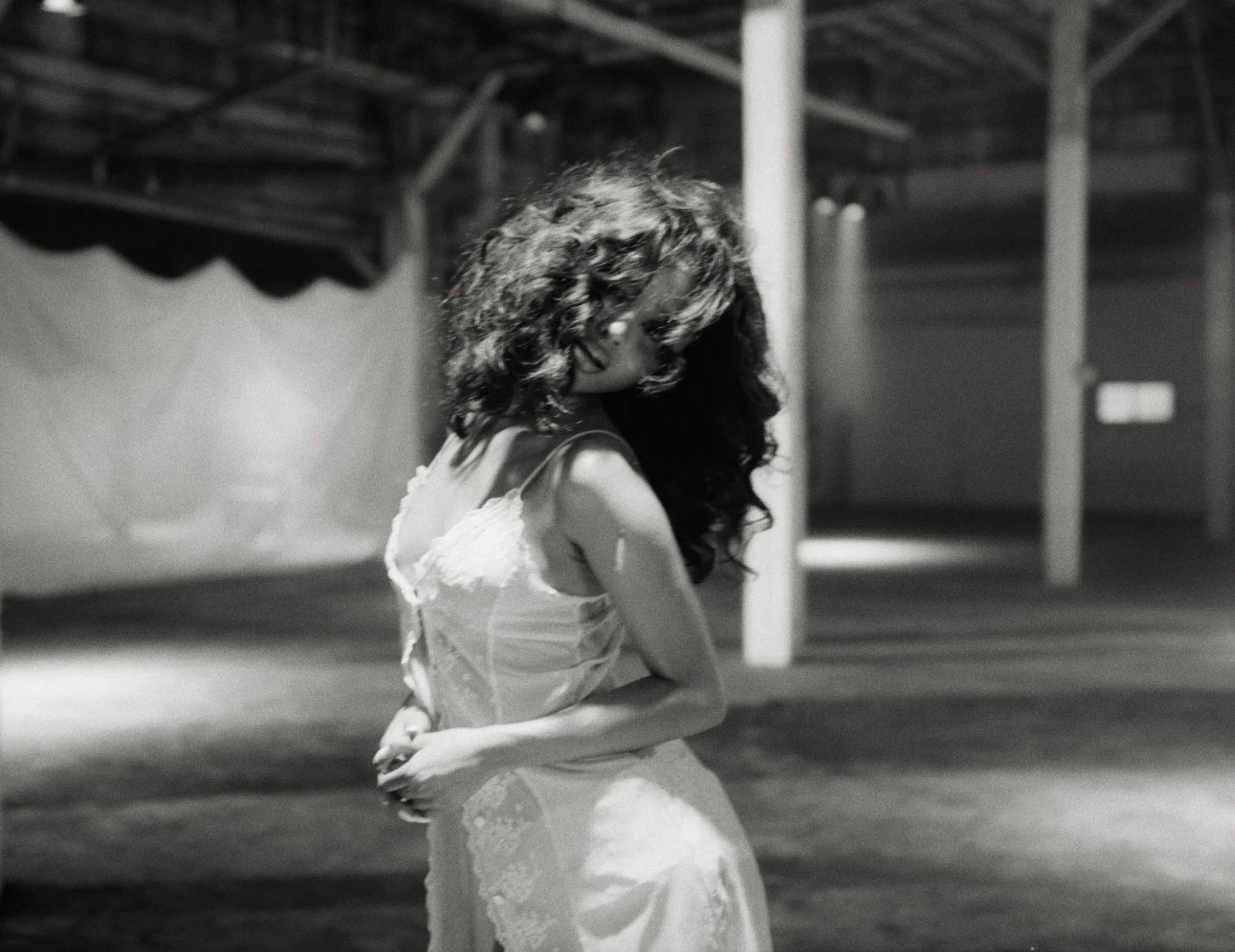
Tyla is 24 and she has already won a Grammy that did not exist before her. That is the strange climate she walks into this week. On July 24, she released A*POP, the follow up to a debut that made her the first artist ever to win Best African Music Performance, and the second it landed the conversation stopped being about talent. It turned into a question about survival.
Tyla built the escape hatch before she needed it. The sophomore album is the most dangerous release any artist makes, and A*POP is engineered to beat the odds instead of pretending they are not there. She circulated the rollout across nine months, changed lanes on purpose, and refused to simply remake "Water." Whether it sells is a question the charts will settle over the next six weeks. Whether it was built correctly is a question we can answer today.
The reason the second record ends careers is rarely the music. It is time, attention, and a label's patience running out at the same moment, while the audience that fell for the debut drifts three trends down the road. Tyla's team appears to understand this, which is why A*POP arrived with three singles already working and a genre transformation that pushes radio somewhere new.
Go back through our own files. We once counted twenty sophomore albums that quietly ended careers, and the pattern was almost never a talent collapse. It was a timing collapse. An artist breaks through, tours the debut for a year and a half, then hands the label a follow up while the crowd that fell in love has already moved on. The real second album pressure is not the fear of a bad song. It is the fear of an empty room.
The numbers around Tyla show a team that studied the failure scenarios. Her debut, Tyla, arrived in 2024 built on amapiano and R&B. "Water" went global, and the Grammy followed in February of that year. Rather than let the momentum cool, the campaign for Tyla's second album started early and never fully stopped. "Chanel" dropped in October 2025 and reached number 15 on the UK Singles Chart while cracking the Billboard Hot 100 at 43. "She Did It Again," with Zara Larsson, followed in April 2026 and hit number 2 in Sweden. "Is It Love?" arrived in June. By the time A*POP landed on July 24 through FAX/Epic Records, most of its presentations were already made.
Consider what a debut like hers spends down. "Water" did not just chart, it boosted expectations, and expectations are the most expensive thing an artist inherits. Every breakout single writes a check the next project has to cash. The listeners who found Tyla through a viral dance clip in 2024 are not the same listeners deciding whether to sit with a full 2026 album, and the gap between those two crowds is exactly where sophomore records go to die. Closing that gap is not an artistic task, It is about logistics, and it is the one most young artists are never coached through.
The riskiest choice sits inside the album title. Tyla is loosening her grip on the amapiano pop sound that made her, the log drum bounce that let a South African singer out stream a healthy slice of the American R&B charts. Broaden that palette and you risk losing the exact listeners who showed up for one specific feeling. Stay narrow and you turn into a novelty by 27. She chose range, early and on purpose. Given the alternative, that is the smarter place to fail.
It helps that the pivot is not a full erasing of her sound. The amapiano DNA is still clear under the wider pop gloss, which makes the risk an expansion rather than an abandonment. That similarity matters to the fans who found her first. Real listeners, the kind we build this site around, tend to forgive evolution and punish abandonment, and Tyla seems to know the difference.
Also. this is a heavy season for the second album. GloRilla is circling record two after Glorious, and when we looked at how she is approaching that follow up, the most reasonable thing she offered was that she is trying not to overthink it. Rico Nasty reunited with Kenny Beats for RX, out the same Friday as A*POP, proof that a second act does not have to be a solo climb. The market gives an artist one clean introduction. Everything after that is defense, and the artists that last are the ones who treat it that way.
A sophomore album is the first time the industry learns whether it signed an artist or just a song. A debut can ride one lightning strike, while the second has to prove the storm was real. Labels quietly treat album two as the actual audition, which is why the artists who understand the assignment tend to over prepare.
Strip the affection out of it and the sophomore slump is mostly a label failure wearing an artist's face. The machine that breaks a debut, the playlisting, the sync placements, the one viral clip, does not know how to build a second chapter. It knows how to repeat the first. So the pressure lands on a young artist as a demand to counterfeit her own breakthrough, and audiences can smell a counterfeit. Real R&B artist development would mean a label planning three records deep before the debut even charts. Almost none of them do.
This is where Tyla's streaming era rollout looks less like luck and more like design. Nine months of singles is not a marketing quirk. It is a hedge against the attention economy that buried a hundred second albums before hers, a way of keeping a name in rotation so the album does not have to reintroduce a stranger. It is the same unglamorous rationale that protects career longevity, the quiet work of staying relevant in the long gaps between big moments.
There is a business reading here too. Epic has watched enough young stars flame out on the second try to know a debut Grammy is a depreciating asset if the follow up stumbles. A patient rollout protects the catalog value that a South African crossover star represents to a major label, which is a polite way of saying the incentives, for once, point the same direction as the art.
For listeners tracking this in real time, the tells will be simple. Watch whether the album cuts that were never singles start climbing on their own, a sign the audience is exploring rather than sampling. Watch whether the tour books rooms bigger than the debut filled. Those are the signals that separate a real second act from a well marketed one, and they are the numbers no algorithm can fake.
What the next six weeks decide
None of this guarantees a hit. A*POP could still stall, the singles can plateau, and a genre pivot can read as drift instead of growth. What we can say now is that Tyla treated the second album as a structural problem and solved for the structure first. That instinct is rarer than talent and, over a career, worth more. The debut proved she could make a moment. This week tests whether anyone taught her to make a career, and the architecture around A*POP suggests someone did.
Comments (0)
No comments yet — be the first to share your thoughts.
Leave a comment